Why dental clinics that show before-and-after previews close 2x more cases
Patients who see their own smile transformed are twice as likely to book treatment. Here is what the data shows and how clinics are using AI previews to make it happen.
The visualization gap in dentistry
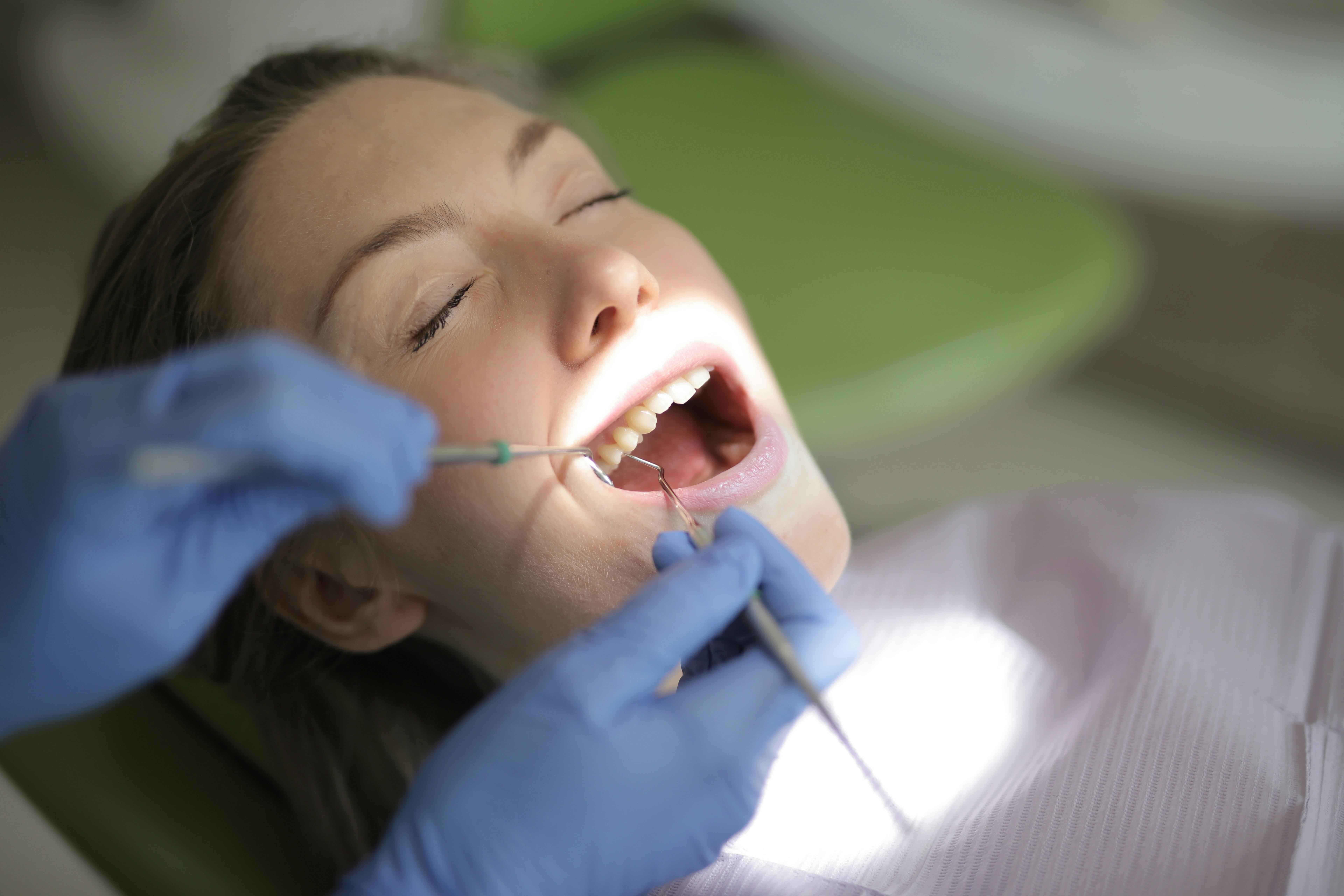
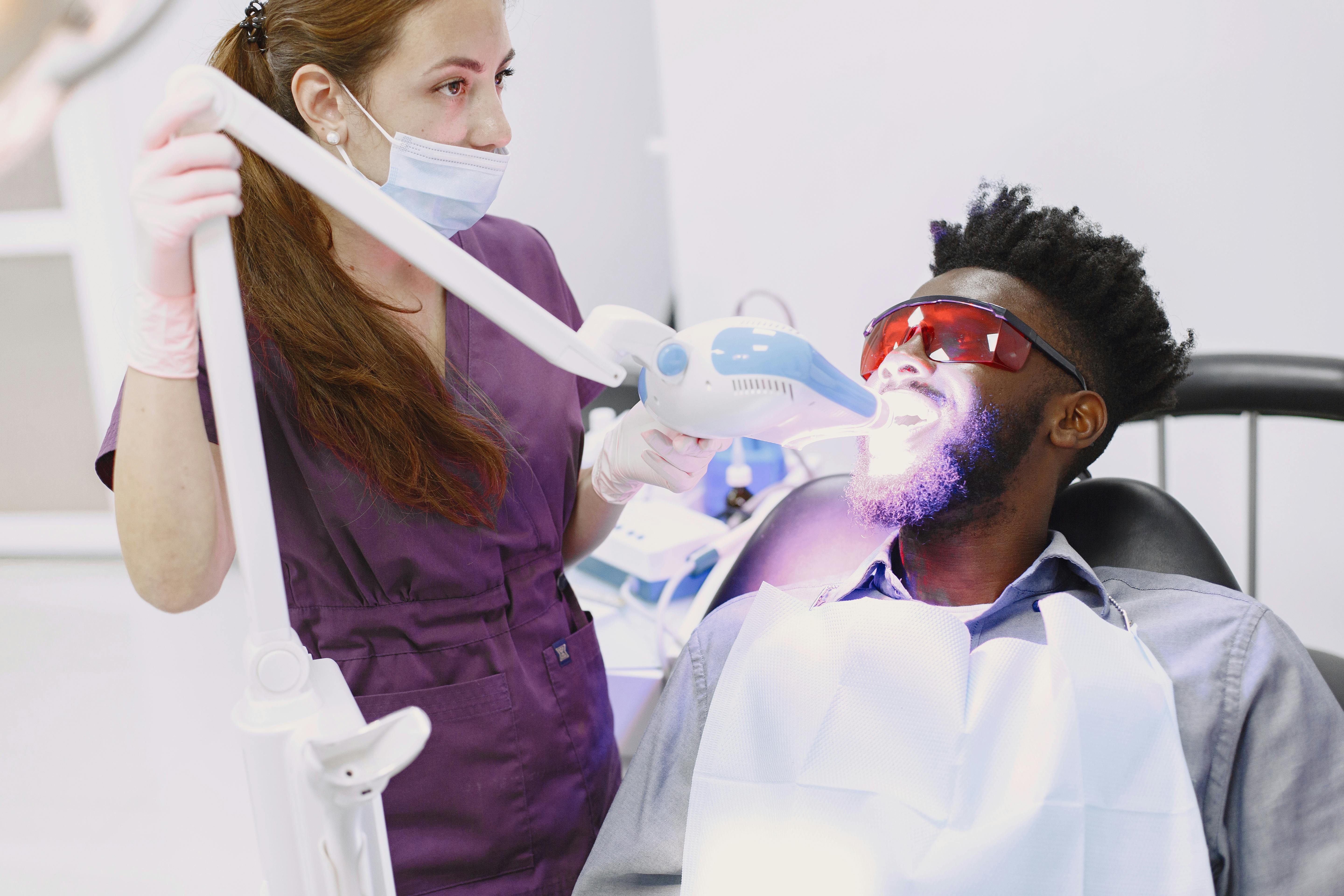
A patient sits in your chair for a whitening consultation. You explain the shade guide. You show stock photos. You describe the process. They nod politely, say they will "think about it," and leave.
Six weeks later, they have not called back.
This is the visualization gap — the distance between what you know the result will look like and what the patient can actually picture. Every experienced dentist has lost cases to this gap. Not because the patient did not want whiter teeth, but because they could not see the outcome on their own face.
What the data tells us
A 2024 survey of 340 dental practices across North America found that clinics using patient-specific visual previews during consultations reported a 47% higher case acceptance rate for elective cosmetic procedures compared to clinics relying on verbal descriptions and stock photography alone.
The difference was most pronounced in three treatment categories:
- Veneers: 52% higher acceptance with visual previews
- Teeth whitening: 41% higher acceptance
- Smile makeovers: 61% higher acceptance
The pattern is consistent: when patients see themselves with the result, the treatment stops being abstract and becomes real.
How AI previews change the consultation
Traditional before-and-after photos have a fundamental limitation — they show someone else. A 45-year-old woman with crowded lower teeth does not see herself in a photo of a 28-year-old with perfectly aligned teeth. The reference is too distant to be persuasive.
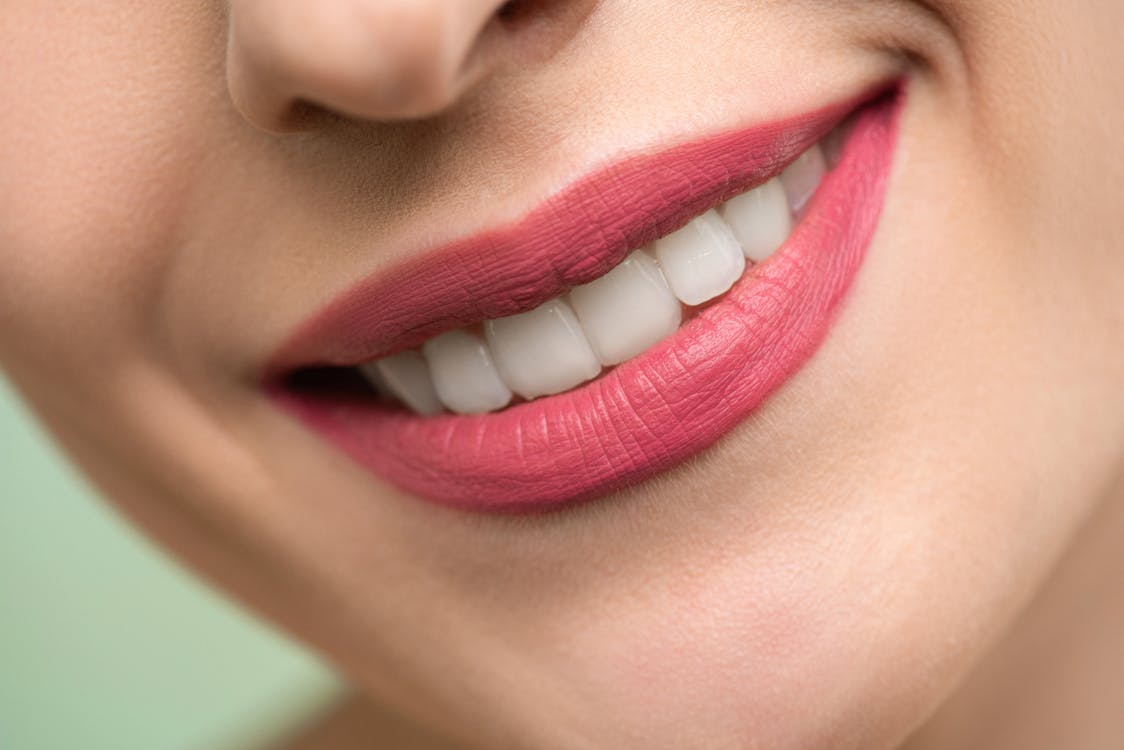
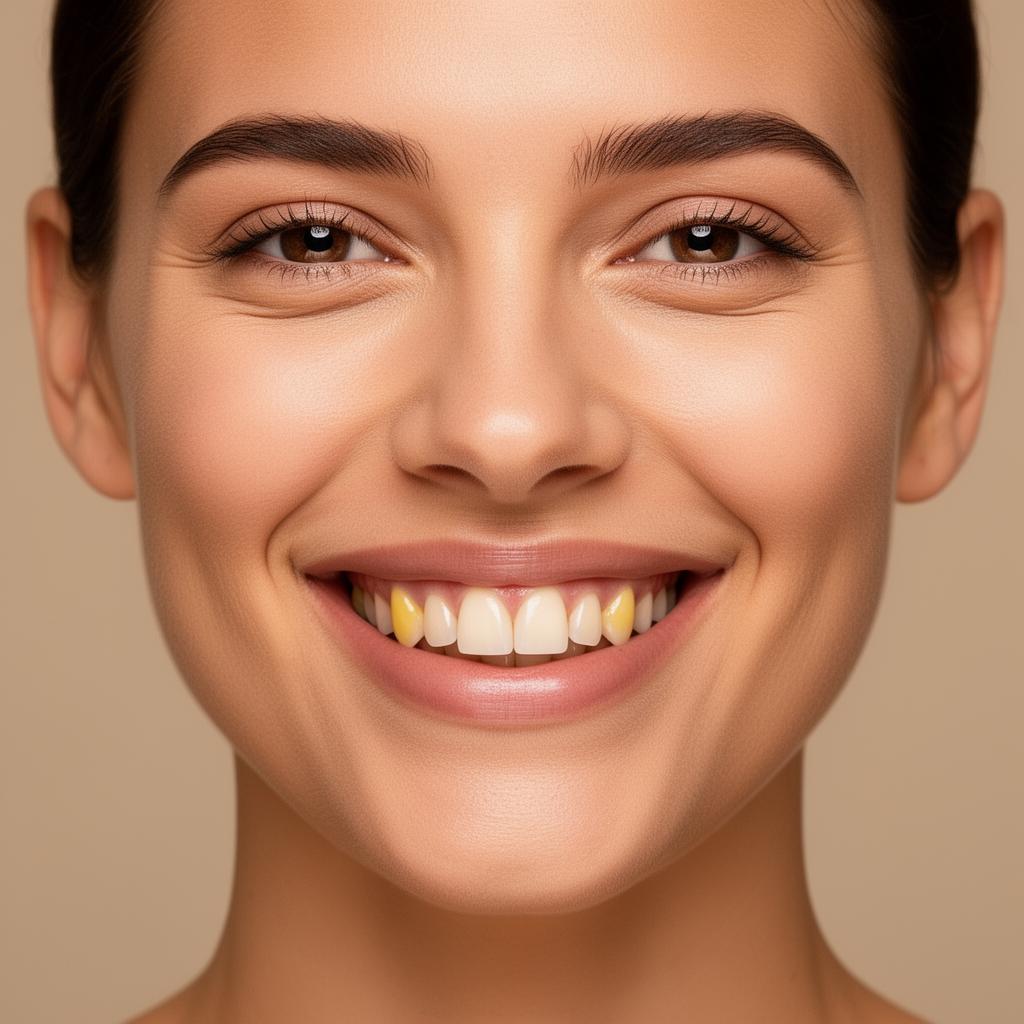
AI-generated previews eliminate this distance. The patient uploads a photo of their own smile. Within seconds, they see a photorealistic image of what their teeth would look like after treatment. Same face. Same lips. Same skin tone. Different smile.
The psychological shift is immediate. The conversation moves from "what if" to "when can we start."
Three implementation patterns that work
During the first consultation. Take a photo while the patient is in the chair. Run the preview while discussing treatment options. Present it before they leave. This is the highest-converting approach because the emotional impact is immediate and the decision is made in-person.
As a follow-up tool. Send the preview via email within 24 hours of the consultation. Include a clear call to action to schedule treatment. This works for patients who need time to decide but keeps the visual result present in their consideration.
On your website. Embed a "see your smile" tool on your practice website. Require an email address before running the preview. This captures leads who are researching whitening or veneer options online and gives your front desk a warm lead with a visual hook.
The privacy question
Every dental practice considering AI previews asks the same question: what happens to patient photos?
The answer matters. With Makeover, photos are processed in real time and immediately discarded. No storage, no retention, no training on patient data. This is non-negotiable for any tool used in a clinical setting, and it is how we built the system from the start.
What this means for your practice
The clinics seeing the highest returns from visual previews share three traits: they introduce the preview early in the consultation, they use it as a conversation tool rather than a sales pitch, and they follow up with the preview image if the patient does not book immediately.
The technology is not the differentiator. The differentiator is showing patients their own result instead of asking them to imagine it.
Ready to show clients their transformation?
Join the waitlist for 3 free AI-generated before-and-after previews. No credit card, no commitment.
Join waitlistMakeover Team
Makeover