Medical disclaimer: This article is for informational purposes only, does not constitute medical advice, and has not been reviewed by a licensed medical professional. Results vary by individual. Always consult a qualified healthcare provider before making any healthcare decisions.
Quick answer: Eyebrow tinting before and after results show darker, more defined brows that frame the face without daily makeup. Fine hairs become visible, sparse patches fill in visually, and the whole brow reads more structured. The treatment itself takes 10 to 15 minutes, and the color holds for 3 to 6 weeks depending on the shade chosen, your skin type, and whether you use standard dye or henna.
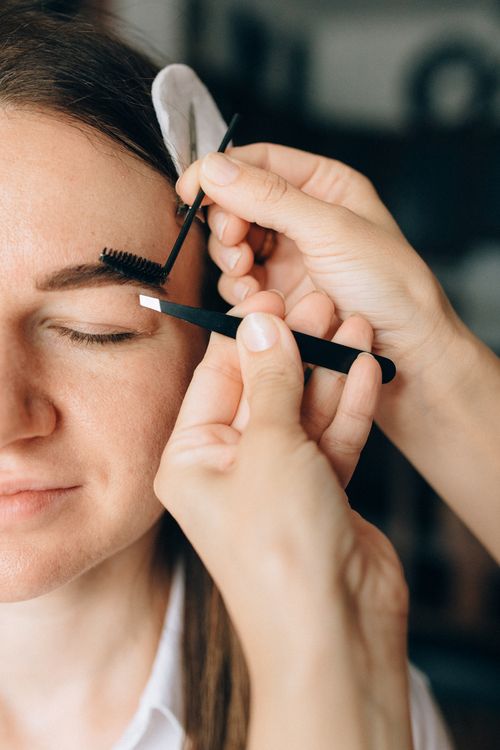
What actually changes in an eyebrow tinting before and after? The dye darkens every hair in the brow — including the fine, pale ones near the tail that are usually invisible — so the natural shape you already have becomes visible without a pencil or powder. Nothing is drawn on top of the skin. The brow you see after tinting is the brow you have; it's finally just showing up.
Why eyebrow tinting has grown so fast
Brow services stopped being a finishing touch about a decade ago and haven't slowed since. The global eyebrow makeup and tinting market was valued at over $7.2 billion in 2025 and is projected to reach $11.6 billion by 2033, a growth rate north of 6% a year.
More than 68% of millennial and Gen Z consumers now treat eyebrow styling as a core part of their beauty routine, not an optional extra. That shift is why tinting specifically has become a repeat booking rather than a one-off treatment: it sits exactly where low-maintenance and high-definition overlap. A 10-minute service replaces weeks of daily pencil or powder application, and that trade-off is what brings clients back every four to six weeks instead of trying to recreate the look themselves each morning.
What does eyebrow tinting before and after look like?
The contrast shows up most clearly in two groups: people with naturally light brow hair, and people with sparse or patchy growth.
Before tinting, brows often look faint or uneven. Hairs near the tail — usually the thinnest and lightest on the whole brow — disappear entirely without product. The face reads as unframed, and a lot of clients describe their own brows as "barely there" even when the shape underneath is fine.
After tinting, every hair picks up color, tail included. The shape that was always there becomes visible without a single stroke of makeup. Eyes look more defined, the face looks more structured, and most people notice the difference before they can explain what changed — friends tend to say "you look well-rested" rather than "your brows look darker."
That's the tell that separates tinting from drawn-on brows: it works with the hair you already have rather than replacing it, so the result moves and behaves like real brows because it is real brows — just visible ones.
Eyebrow tinting results by colour and technique
Black and dark brown tinting
Black produces the most dramatic before-and-after of any shade. It suits dark-haired clients who want a bold, graphic brow line, and it reads intensely for the first day or two before softening once the first wash lifts the surface pigment. Fair-skinned clients should treat black as a statement choice, not a default — the contrast against light skin can read harsher than intended.
Medium and warm brown tinting
Medium brown is the workhorse shade. It flatters the widest range of hair colors, from light brown through dark brunette, and produces a change that looks like naturally fuller, more uniform brows rather than a visibly dyed result. Warm variations — chestnut, caramel — suit warm undertones and auburn hair particularly well, adding definition without the flatness black can sometimes create.
Taupe and ash blonde tinting
Taupe is the most natural-looking option for blonde, light brown, or greying brows. It adds depth without introducing visible darkening, so the before-and-after reads as texture and shape rather than color change. Ash blonde works the same way for platinum or very fair hair — definition without contrast.
Auburn and red tinting
Auburn suits natural redheads and warm complexions, producing brows that look vividly healthy rather than dyed. The color settles to a softer copper as it fades, which still reads as natural rather than grown-out. It's underused outside the red-haired market but works well on warm and olive skin tones too.
Grey coverage tinting
Once grey hairs start appearing in the brows, standard tinting is one of the simplest fixes: dark or medium brown shades blend the grey hairs back in with the pigmented ones around them. For clients over 40, this is often the most practical reason to start tinting in the first place.
Eyebrow tinting vs henna brows: what is the difference?
| Feature | Standard Tinting | Henna Brows |
|---|---|---|
| Dye type | Semi-permanent oxidation dye | Plant-derived henna paste |
| What it colors | Brow hairs only | Hairs plus the skin beneath |
| Result | Natural, hair-focused color | Bolder, shadow/filled-in look |
| Duration on hair | 3 to 6 weeks | 4 to 6 weeks |
| Duration on skin | Fades within a few days | 1 to 2 weeks |
| Patch test required | Yes | Yes |
| Best for | Natural color enhancement | Sparse brows that need shape and volume |
The distinction that matters most: henna stains the skin under the hairs, so it fills in gaps where hair is thin or absent. Standard tinting only colors what's already there. If your brow shape is solid and you just want the color to hold up, tinting is the simpler choice. If you're working with sparse or over-plucked brows, henna's skin stain does work tinting can't.
We cover the lifted, sculpted version of this in our brow lamination before and after guide, which walks through how lamination changes hair direction in addition to adding tint.
The Makeover Brow Colour Match Framework
Shade selection is the single decision that determines whether you love or regret a tinting result. Here's the matching logic brow technicians actually use, broken down by skin tone and natural hair color.
| Your Profile | Recommended Shade | Expected Result |
|---|---|---|
| Very fair skin, blonde hair | Taupe or ash blonde | Defined without an obvious color shift |
| Fair skin, light brown hair | Soft brown or warm taupe | Noticeably fuller, natural-looking brows |
| Medium skin, brown hair | Medium or warm brown | Defined, polished brows with good contrast |
| Olive or warm skin, dark hair | Dark brown | Bold, clean brow shape with natural intensity |
| Dark skin, black hair | Black or dark brown | High-definition brows with strong framing |
| Fair skin, red hair | Auburn or warm brown | Natural-looking, vivid brows |
| Grey brows, any skin tone | Match to original hair color | Consistent, age-softening color restoration |
| Sparse brows | Henna, matched shade | Color plus skin stain to simulate density |
Match your skin tone and natural hair color to the closest profile, then start one shade lighter than recommended for your first appointment. You can always go darker next time — lightening an existing tint takes patience and multiple washes to fade.
Worried the tint will look too dark? Freshly applied color almost always looks more intense than the shade you'll actually keep. Give it 48 hours and one gentle wash before judging the result — that's the settled color you'll live with for the next 3 to 6 weeks, not the one you see walking out of the appointment.
Before your next booking, ask your studio if they can show you the shade on your own face first. Some now use AI preview tools, including ones built by Makeover, that render the chosen color directly onto a photo of your actual brows so you can compare shades side by side.
How long does eyebrow tinting last?
Most results last 3 to 6 weeks, with the range coming down to a handful of factors:
- Skin type. Oily skin breaks down dye faster — some clients see fading within 3 weeks — while dry skin holds color longer.
- Aftercare. Getting brows wet in the first 24 hours, using retinol near the area, or exfoliating too often accelerates fading noticeably.
- Dye formula. Professional oxidative dyes tend to outlast salon-grade henna pastes on the hair itself. Some color loss after the first wash is normal and expected, not a sign of a bad application.
- Hair texture. Coarse brow hairs hold pigment longer than fine ones.
- Exposure. Steam, swimming, and heavy sweating all speed up fade.
Most studios recommend rebooking every 4 weeks to keep color consistent — clients with naturally light brow hair usually need that cadence more than clients with naturally dark brows, who can often stretch it further.
What affects your tinting result?
Hair health and condition
Dry or damaged brow hairs take dye unevenly, which shows up as patchy color. A light conditioning oil applied to the brows for a few days before your appointment improves how evenly the dye absorbs.
Skin preparation
Freshly exfoliated or just-cleansed skin holds less dye underneath the brows, so avoid exfoliating the area for 24 hours before treatment. For henna specifically, clean, product-free skin produces the strongest stain.
Developer strength
Brow tints use a low-volume developer — typically 3% or 6% — to open the hair shaft enough for color to deposit. A skilled technician matches developer strength to hair type; going too strong on fine hairs can strip color rather than deposit it.
Processing time
Most tints process in 5 to 10 minutes. Dark shades on resistant grey hairs sometimes need up to 15. Leaving dye on longer than needed doesn't intensify the hair color further — it mostly just stains the surrounding skin more heavily.
Patch testing
A patch test 24 hours before treatment is non-negotiable for first-time clients. Reactions to brow dye are uncommon but can be serious, and a technician who skips this step regardless of how rushed you are isn't one to trust with dye near your eyes.
How to preview your brow tinting colour before your appointment
The most common source of post-tint disappointment isn't a bad application — it's a mismatch in expectations. A client asks for "dark brown," pictures one thing, and the technician delivers another. Neither person did anything wrong; they were just working from different reference points for the same word.
A growing number of brow studios close that gap with AI preview software, including tools built by Makeover. The technician photographs your face, selects a tinting preview, and picks a shade from the color range. The software renders that shade on your actual brow shape, on your actual face, in under 10 seconds — so you're both looking at the same target before any dye is mixed.
This matters most for clients trying a new shade for the first time, switching from pencil to tinting, or deciding between standard tint and henna based on how much brow density they're actually starting with.
Ask your studio if they offer this. If you run one and don't yet, reach out to Makeover to talk about building it for your clients.
What to ask your brow technician
About the product
- What dye brand do you use, and is it formulated for use near the eye area?
- Do you offer henna as an alternative to standard tinting?
- What developer strength suits my hair type?
About the process
- Will you patch test if this is my first appointment with you?
- How long will the tint process take?
- What shade do you recommend for my hair color and skin tone?
About aftercare
- What should I avoid in the first 24 hours?
- How do I extend the tint's life between appointments?
- How often should I rebook, given my skin type?
A technician who's confident in their work welcomes these questions without hesitation. One who pressures you to skip the patch test, or picks a shade without asking about your hair color first, is a studio to skip.
Ready to preview your brow tinting result?
Ask your brow studio if they offer an AI preview of your chosen tinting shade before your next appointment. If they don't yet, studios interested in adding one for clients can get in touch with Makeover to discuss a custom-built solution.