Show patients their under-eye result before you go near the tear trough
Capture a close-range baseline photo. AI generates a proportion-true preview of hollow correction, discoloration reduction, or texture improvement in seconds. Patients see it on their own periorbital anatomy — the zone every injector treats most carefully and every patient worries about most.
Custom-built for your industry · No commitment
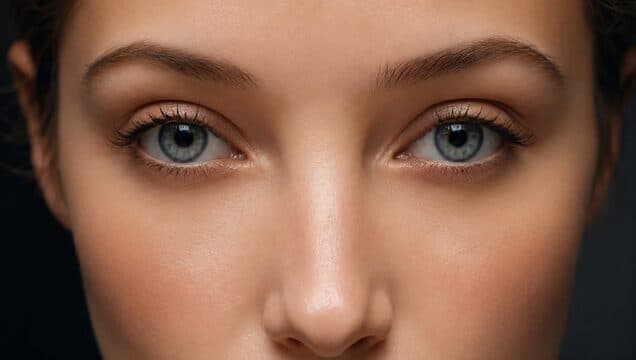
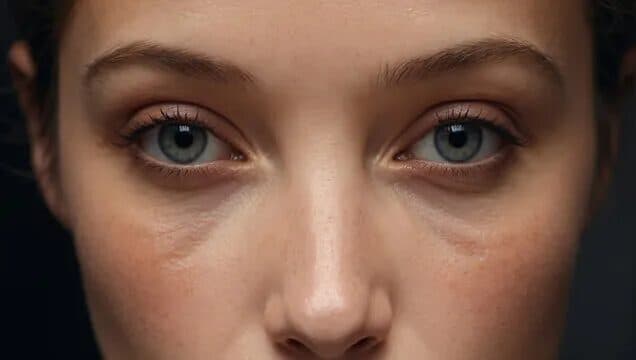
Drag the slider to compare
What is a under-eye treatment preview?
An under-eye treatment preview tool uses AI to show patients what tear trough correction, PRP, or resurfacing would look like on their own periorbital area before a provider commits to a treatment plan. The provider captures a close-range baseline photo, and the tool generates a realistic preview showing hollow correction, reduced discoloration, or smoother texture in that specific zone. Med spas and dermatology practices use this during consultation to set accurate expectations before touching the most injection-sensitive area on the face.
Why it matters
Under-eye hollowing and dark circles are one of the top three complaints patients bring to an aesthetic consult, but tear trough filler has the narrowest margin for error of any injectable site — overfill causes the Tyndall effect (a visible blue-gray tint) and malar edema, and both are far harder to reverse than a lip that's slightly too full. That risk profile is exactly why patients hesitate longest here: they've read the horror stories, and a generic stock before-and-after doesn't tell them what a conservative, well-placed correction looks like on their own hollow, pigmentation, and skin laxity. A preview built on the patient's actual anatomy turns "I'm scared of looking worse" into a specific, bookable treatment plan.
Who uses this
Injectable nurses and NPs performing tear trough filler — the highest-skill, highest-liability injection site on the face — need patients to trust conservative dosing before they'll book. Dermatologists and med spa physicians offering PRP, microneedling, or laser resurfacing for under-eye pigmentation and crepiness. Aesthetic consultants doing the intake photo and treatment-path conversation before the patient ever sees the injector, so the preview does the persuading before the clinical visit starts.
Heard this from a patient?
Patients ask if filler under their eyes will make them look "puffy" or worse the next morning, and a stock photo of someone else's tear trough doesn't answer that.
They've seen the blue-tinge horror stories on social media and won't book until someone shows them it won't happen to their skin specifically.
They can't tell if their problem is hollowing, pigmentation, or loose skin — and without seeing a targeted preview, they default to "let me think about it" instead of picking a treatment path.
How under-eye treatment previews work
Three steps. Under 10 seconds. No design skills needed.
Capture a close-range under-eye photo
A tight, well-lit shot of the periorbital area — the same framing you'd use for clinical documentation. No special macro lens required, just consistent lighting across both eyes.
AI generates the correction preview
The model maps tear trough depth, tissue laxity, discoloration, and skin texture, then renders a conservative preview of filler placement, PRP response, or resurfacing results specific to that patient's anatomy.
Present it before you pick up a cannula
Their own under-eye area, before and after, on the consult room screen. The Tyndall-effect question and the puffiness fear get answered before you draw up product.
Common questions about under-eye treatment
Straight answers. No jargon.
Let's build the version made for your business
Every preview on this site is a variation of the same engine, tuned to one industry. Tell us about yours, and we'll show you exactly what we'd build for it.
We reply within one business day