Show patients their straightened smile before Invisalign's ClinCheck even comes back
Capture a smile photo at the consult. Makeover generates a photorealistic straightening preview in under 10 seconds — the patient sees their own crowding or spacing corrected, not a ClinCheck screenshot from somebody else's case.
Custom-built for your industry · No commitment
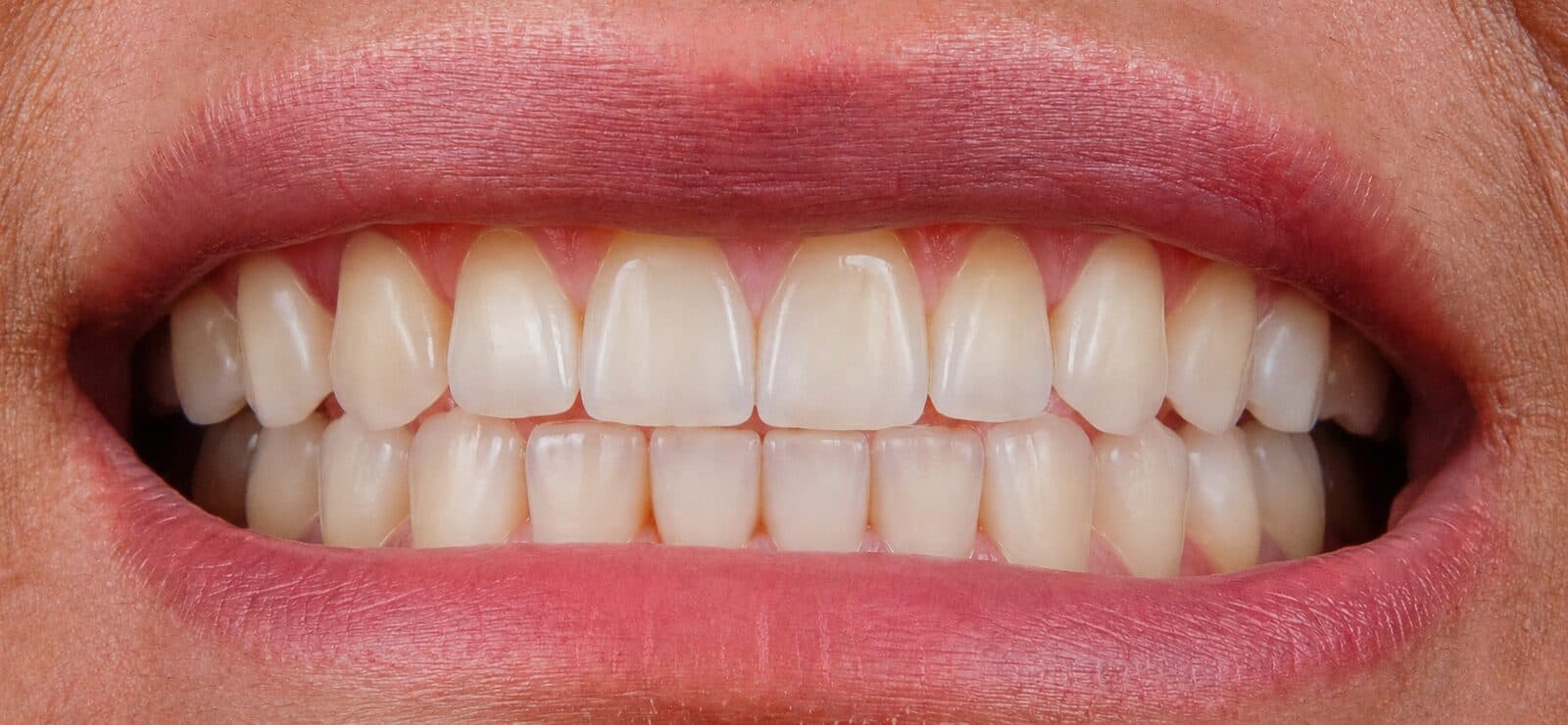
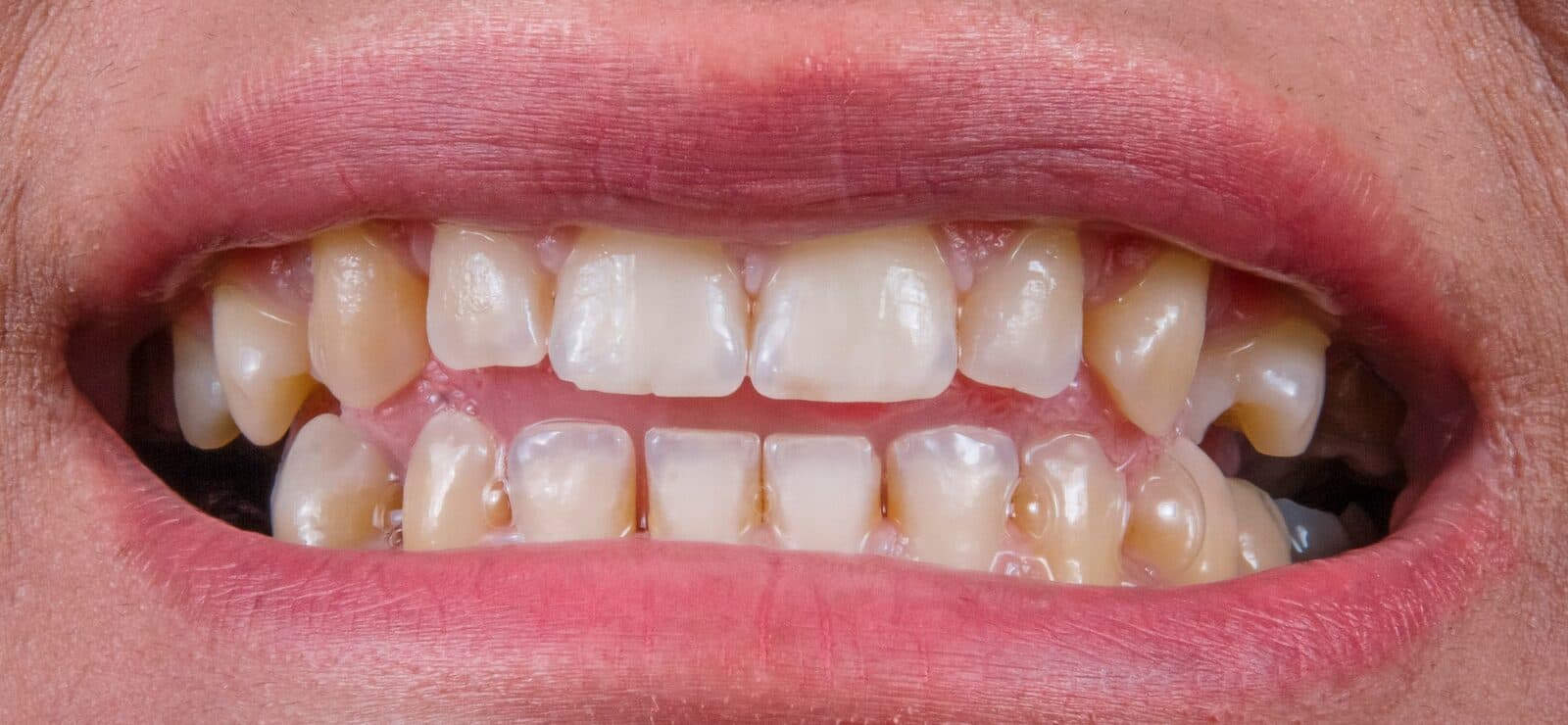
Drag the slider to compare
What is a teeth straightening preview?
A teeth straightening preview tool uses AI to generate a photorealistic image of a patient's smile after clear aligner or orthodontic correction. The dentist captures a frontal or retracted photo of the patient's current alignment, and the tool produces a side-by-side comparison showing crowding, spacing, or rotation corrected on the patient's own teeth. General and cosmetic dental practices use this chairside during the same consultation, before a scan is even submitted, to secure case acceptance while the patient is still in the chair.
Why it matters
Clear aligner therapy is one of the highest-value case types a general dentist presents — treatment plans typically run $3,000–$8,000 and commit the patient to 6–18 months of wear. The friction isn't whether the patient wants straighter teeth; it's that the only simulation tool in the room, ClinCheck, requires a scan submission and comes back from the lab days later as a staged plan the patient never sees during the visit. By the time it arrives, they've priced out a mail-order aligner kit or lost the urge to commit. A same-visit photo preview closes that gap before it opens.
Who uses this
General and cosmetic dentists dispensing Invisalign, ClearCorrect, or Spark aligners as part of restorative and cosmetic case plans — GPs write a large share of clear aligner cases industry-wide, not just orthodontists. Treatment coordinators use it to present the straightening phase alongside veneers or whitening in a full smile makeover sequence. Multi-location dental groups use it to standardize the aligner conversation across associates with varying case-presentation skill.
Heard this from a patient?
Patients like the idea of aligners but won't commit to 6–18 months of wear when they can't picture their own smile at the end — and the ClinCheck simulation won't be back from the lab for days, so they walk out to "think about it."
You pull up a ClinCheck screenshot from another patient's case. They say "my teeth don't look like that — I don't know what mine will actually do."
They're comparing your treatment plan to a $2,000 mail-order aligner kit and you have nothing on the screen to justify the price difference beyond telling them it's supervised.
How teeth straightening previews work
Three steps. Under 10 seconds. No design skills needed.
Capture the current smile
A frontal or retracted photo taken during the exam. No scanner, no impression, no ClinCheck submission needed to start the conversation.
AI generates the straightened preview
The model corrects crowding, spacing, or rotation on the patient's own teeth while preserving their natural tooth shape, gum line, and facial proportions.
Present before they leave the chair
Their own smile, aligned, on your tablet — while the ClinCheck submission is still sitting in the lab's queue. Case acceptance happens at the consult, not on a follow-up call.
Common questions about teeth straightening
Straight answers. No jargon.
Let's build the version made for your business
Every preview on this site is a variation of the same engine, tuned to one industry. Tell us about yours, and we'll show you exactly what we'd build for it.
We reply within one business day