Show patients the rebuilt smile before you present the treatment plan
Photograph the patient's current dentition. Makeover generates a photorealistic preview of the rebuilt smile in seconds — reflecting the crowns, bridges, implants, and bonding in your actual treatment plan, not a generic wax-up model. Patients see the finished mouth before they see the invoice.
Custom-built for your industry · No commitment
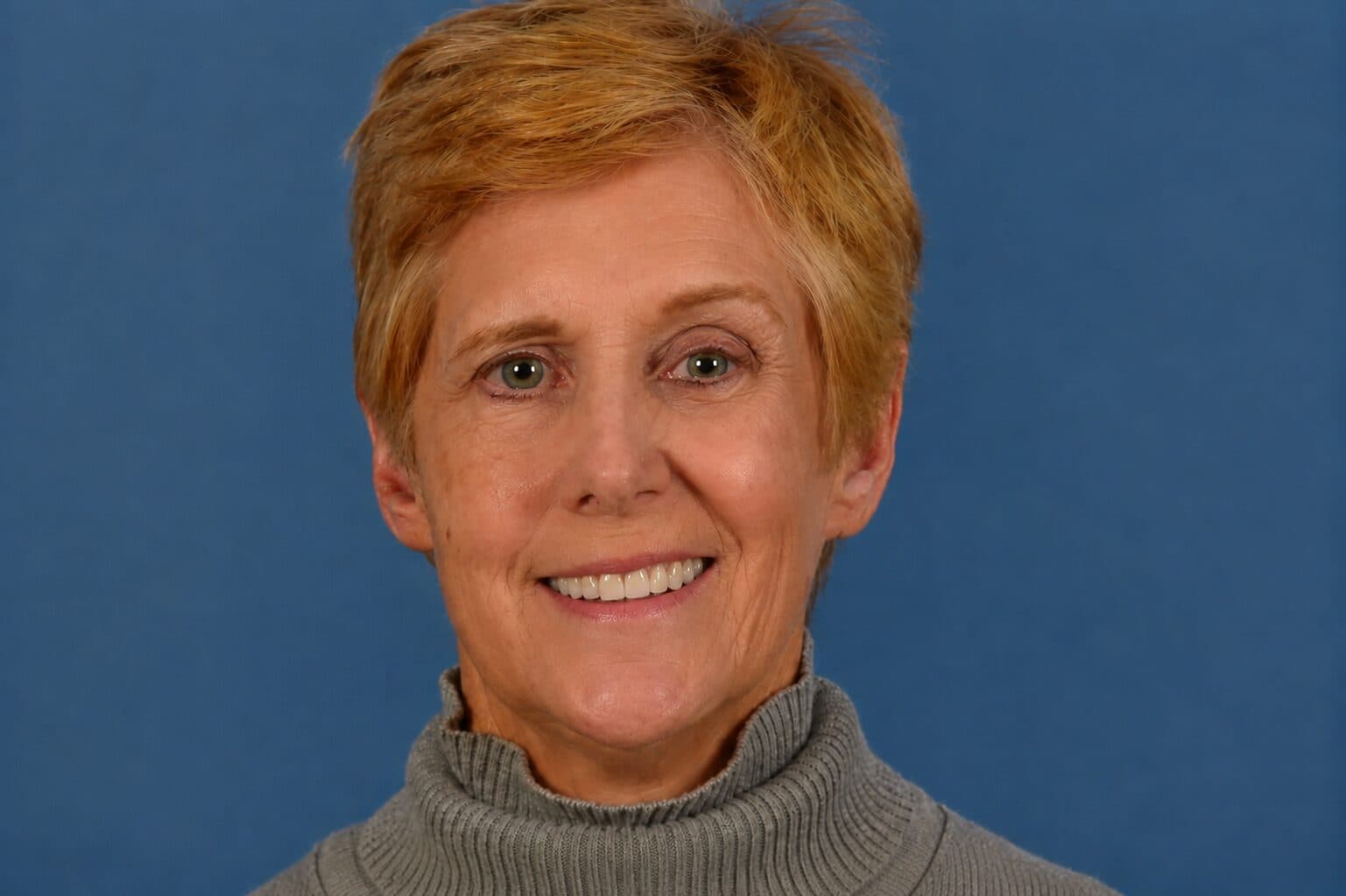
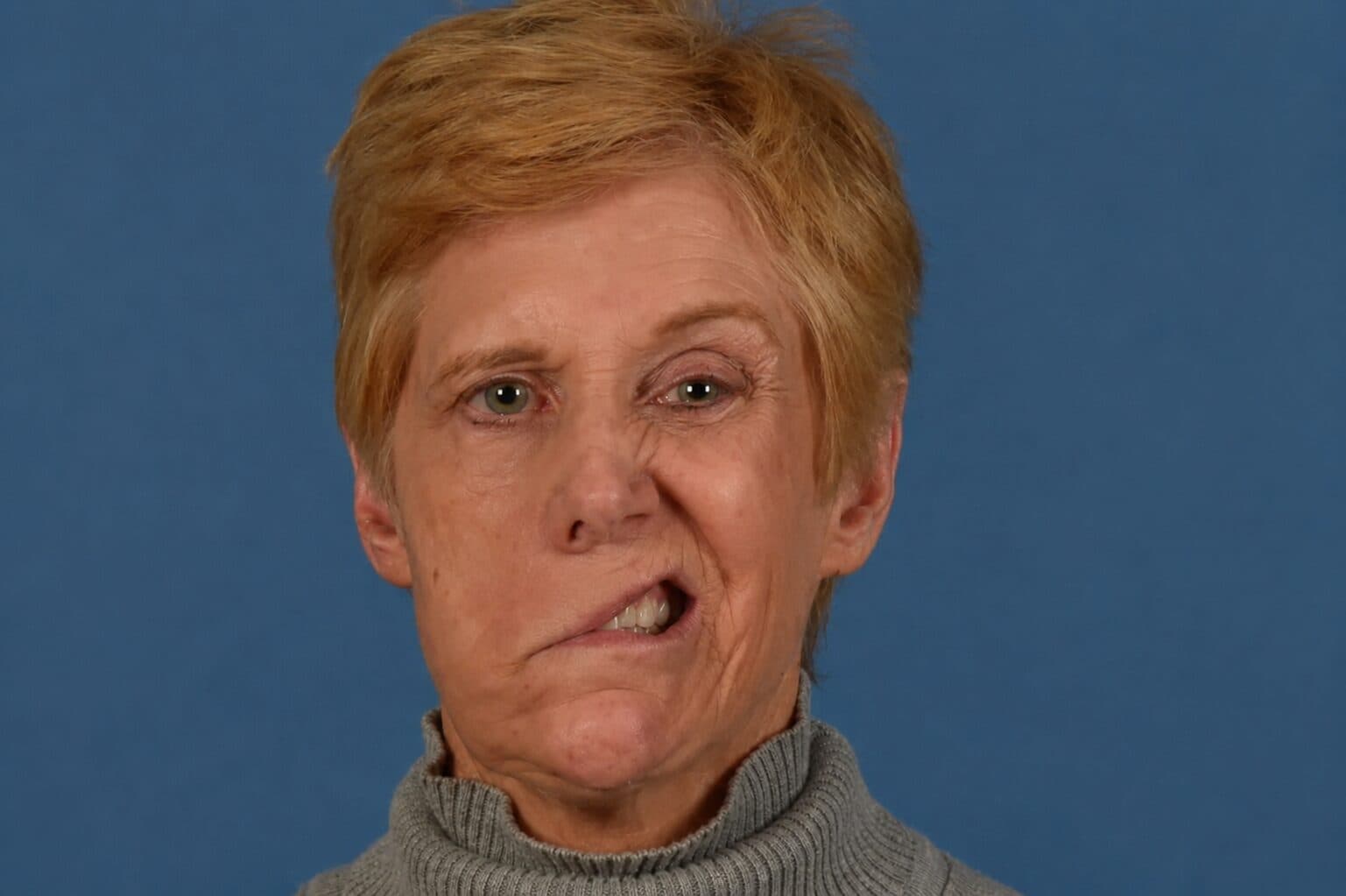
Drag the slider to compare
What is a smile restoration preview?
A smile restoration preview tool uses AI to generate a photorealistic image of a patient's smile after comprehensive restorative treatment — teeth rebuilt with crowns, bridges, implants, or bonding to repair damage from decay, wear, or trauma. The dentist photographs the patient's current dentition, and the tool produces a realistic end-state image reflecting the actual restorative plan for that specific patient, not a stock full-mouth photo pulled from a marketing brochure. Restorative dentists and prosthodontists use this during comprehensive exams to help patients commit to multi-visit treatment plans they'd otherwise decline over cost concerns or fear of an unnatural result.
Why it matters
Comprehensive restorative cases — the ones combining multiple crowns, bridges, implants, and bonding to rebuild a mouth damaged by decades of wear, decay, or tooth loss — are the highest-value treatment plans in general dentistry and prosthodontic practice, commonly running from $15,000 for a partial restoration to $60,000 or more for a full-mouth reconstruction. They're also the cases with the longest sales cycle. Patients often arrive after years of avoiding the dentist, ashamed of teeth they've been hiding — and a treatment plan listing a dozen procedural line items reads as overwhelming, not reassuring. The dentist who can show what the finished mouth actually looks like — not just recite the CDT codes — converts that anxiety into a signed treatment plan in the same visit instead of a patient who never calls back.
Who uses this
General dentists building comprehensive restorative treatment plans for patients with extensive wear, decay, or tooth loss. Prosthodontists case-planning full-mouth reconstructions. Treatment coordinators who present the financial arrangement and need the patient emotionally committed before that conversation starts. Restorative-focused practices and DSOs standardizing case presentation across associates.
Heard this from a patient?
They see a treatment plan listing 14 units of crown and bridge work and say "that's more than my car payment" — before you've explained why each tooth needs it.
A patient who hasn't sat in a dental chair in eight years finally comes in with three fractured molars. They're mortified about the state of their mouth and ask point-blank if they'll "end up looking like they have dentures."
They ask to do the front teeth now and "figure out the back later," then never return to finish the plan — because they never saw what a stable, fully restored bite actually gets them.
How smile restoration previews work
Three steps. Under 10 seconds. No design skills needed.
Capture the current dentition
Retracted or intraoral photos of the teeth as they are — worn incisal edges, fractured cusps, failing old crowns, missing teeth. Standard operatory photography, no diagnostic wax-up or lab model required.
AI rebuilds the restored smile
The model reconstructs arch symmetry, tooth proportion, and occlusal contours based on the actual restorative plan — crowns, bridges, implant-supported units, and bonding — not a generic full-arch template.
Present the finished case, not just the plan
Their own mouth, rebuilt, next to their current photo. The conversation moves from a page of CDT codes to a mouth they can picture living with.
Common questions about smile restoration
Straight answers. No jargon.
Let's build the version made for your business
Every preview on this site is a variation of the same engine, tuned to one industry. Tell us about yours, and we'll show you exactly what we'd build for it.
We reply within one business day