Show patients their prosthetic finish before fabrication starts
Photograph the residual limb during the fitting appointment. Makeover generates a photorealistic preview — skin-matched silicone, exposed carbon fiber, or a custom-printed cover — on the patient's own body in seconds, before the definitive device goes into fabrication.
Custom-built for your industry · No commitment
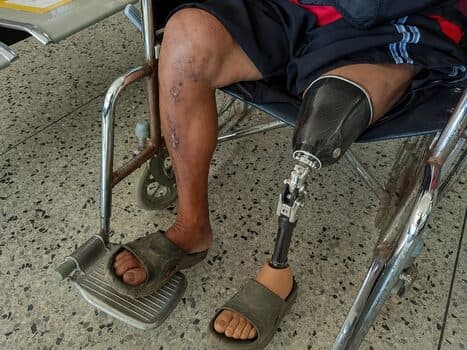
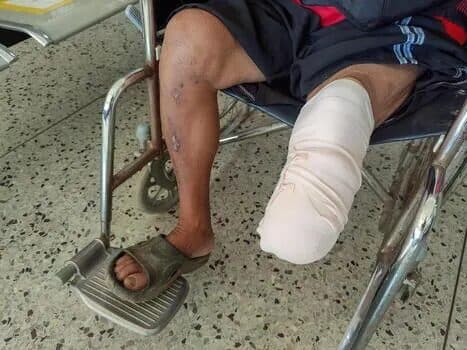
Drag the slider to compare
What is a prosthetic preview preview?
A prosthetic preview tool uses AI to generate a photorealistic image of a patient wearing their prosthesis before the definitive device is fabricated. The prosthetist photographs the patient's residual limb, and the tool renders the chosen cosmetic finish — skin-tone-matched silicone, an exposed carbon-fiber shell, or a custom-printed cover — directly onto the patient's own body. O&P clinics use this during the components conversation to get a finish decision locked in before custom fabrication begins.
Why it matters
A definitive lower-limb prosthesis runs $5,000–$50,000 depending on the knee or foot component, and a realistic silicone cosmesis — hand-sculpted and airbrushed to match the patient's skin tone — adds another $1,500–$5,000 that Medicare and most private insurers won't cover. That self-pay decision usually lands at the end of months of preauthorization paperwork, on a patient who is in no mood to gamble another few thousand dollars on a finish they can't picture from a catalog swatch. A preview that shows the actual option on their actual limb turns that stall into a same-visit decision, and it catches the patients who'd otherwise default to the cheapest bare-frame option simply because no one showed them what the alternative looks like on their own body.
Who uses this
Certified prosthetists and orthotists (CPOs) running the components and finish conversation at the definitive-device fitting. Cosmesis technicians who hand-sculpt and airbrush silicone limb covers and need patient sign-off on a direction before they start pigmenting. O&P clinic owners managing several practitioners who want every patient to see the same quality of finish preview, not whichever swatch book happened to be in the room.
Heard this from a patient?
Patients fresh off amputation surgery say "I don't want it to look like a robot leg" and shut the cosmesis conversation down before you can show them the realistic silicone option.
You hand them a catalog of skin-tone silicone swatches shot under studio lighting. They say "none of these look anything like my actual skin."
The realistic cosmesis is a $1,500–$5,000 self-pay line item most insurers won't touch, and patients decline it sight-unseen because they can't picture the difference between a bare frame and a finished cover.
How prosthetic preview previews work
Three steps. Under 10 seconds. No design skills needed.
Photograph the residual limb
Any angle, standard clinic lighting, taken during the components fitting appointment. No cast, scan, or special imaging needed for the preview itself.
AI generates the finish preview
The model renders the selected cosmetic direction — skin-tone-matched silicone, exposed carbon-fiber shell, or a custom-printed cover pattern — onto the patient's own limb in the photo.
Present it during the device order
The patient sees their own body with the finish applied while you're still filling out the order form, not after the cosmesis has already been sculpted.
Common questions about prosthetic preview
Straight answers. No jargon.
Let's build the version made for your business
Every preview on this site is a variation of the same engine, tuned to one industry. Tell us about yours, and we'll show you exactly what we'd build for it.
We reply within one business day