Show patients their skin after resurfacing — before they commit to the downtime
Capture a close-up baseline photo. AI generates a photorealistic laser resurfacing preview in seconds, showing smoothed texture, evened pigmentation, and softened lines on the patient's own skin — not a stranger's forearm in a before-and-after gallery.
Custom-built for your industry · No commitment
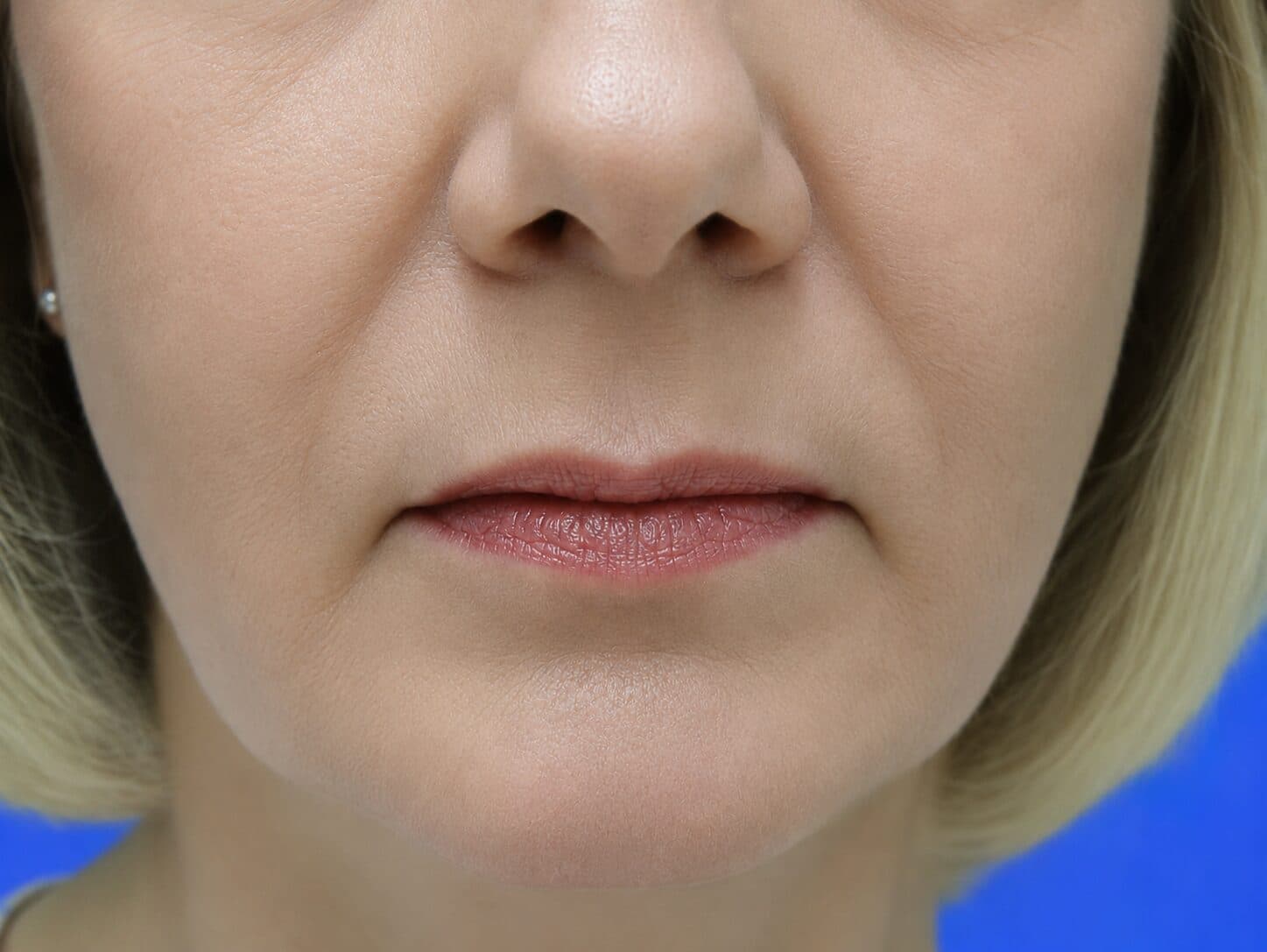
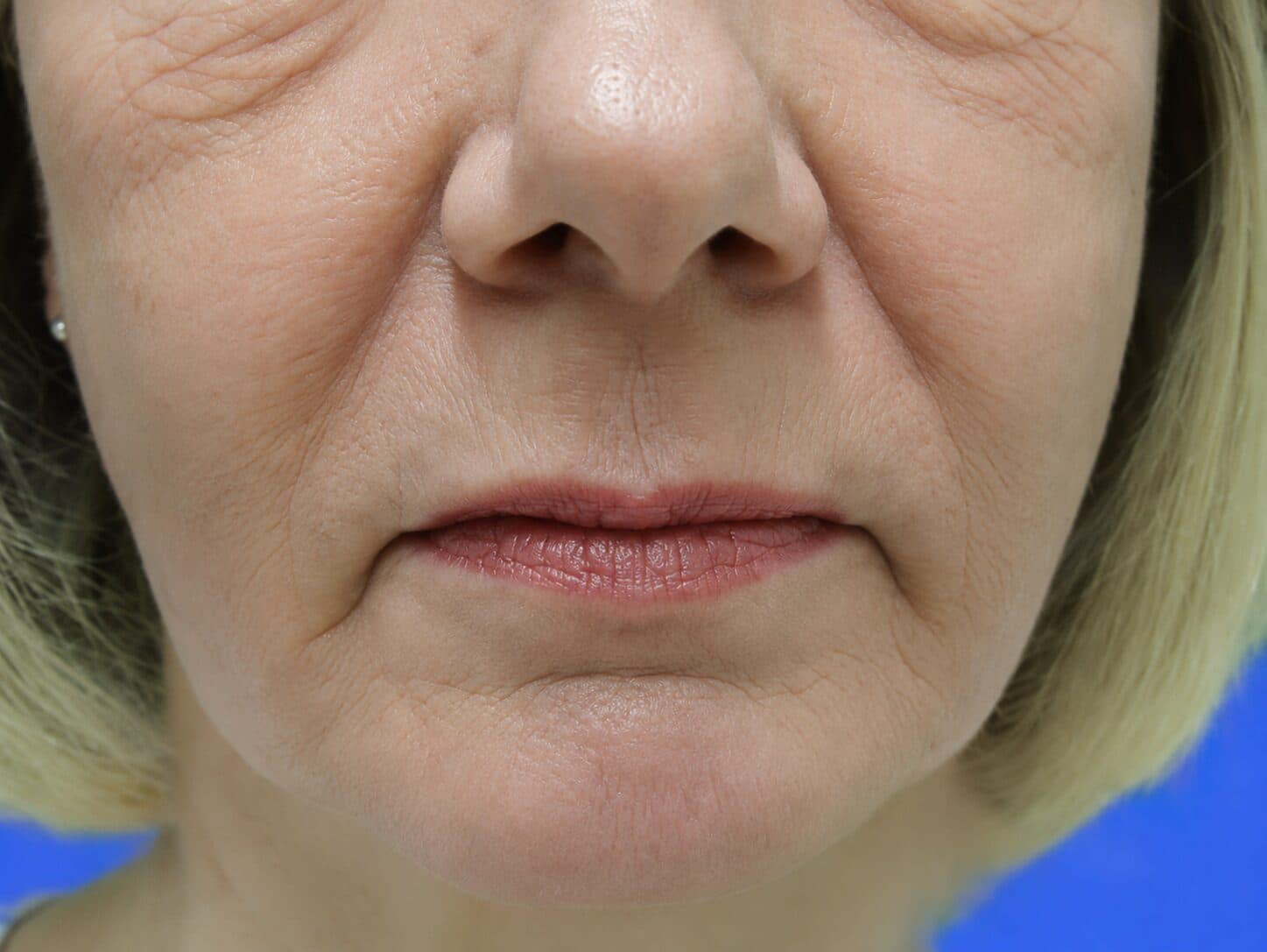
Drag the slider to compare
What is a laser skin resurfacing preview?
A laser skin resurfacing preview tool uses AI to show patients what their skin texture and tone will look like after ablative or fractional laser treatment. The provider captures a close-up baseline photo, and the tool generates a photorealistic simulation of smoothed texture, evened pigmentation, and softened fine lines consistent with a completed treatment course. Med spas and dermatology practices use this during consultations to help patients weigh downtime and a multi-session commitment against a visible, personalized outcome before booking.
Why it matters
Laser resurfacing carries a longer sales cycle than injectables because the ask is bigger: patients are agreeing to real downtime and, in most cases, a package of three to five sessions rather than a single fifteen-minute appointment. Full-face fractional treatments typically run $600–$1,500 per session, and ablative CO2 resurfacing runs higher per session with a longer single recovery, so the consultation has to justify both the cost and the week of redness and peeling before a patient signs off. The objection is rarely "does this work" — it's "will this work on my skin, my scarring, my sun damage" and "is it worth being off my face for a week." A preview built from the patient's own texture and pigmentation answers that question in the room instead of leaving it as a guess they take home.
Who uses this
Licensed estheticians and laser technicians running device-side consultations, RNs and NPs supervising treatment plans, and dermatologists or plastic surgeons offering resurfacing alongside injectables and surgical procedures. Med spa owners use it to standardize how every provider on staff presents a resurfacing package, so case acceptance doesn't depend on which technician happens to be best at describing an outcome in words.
Heard this from a patient?
They want acne scarring or years of sun damage smoothed out but ask "will this actually work on my skin" — and a stock before-and-after of someone else's forearm doesn't answer that.
They're booked for a wedding, a shoot, or a vacation in six weeks and won't commit because they're picturing themselves red and peeling in public, not the healed result on the other side.
They have deeper skin tone or a history of melasma and quietly worry the laser will leave dark patches instead of fixing them — a fear they often don't say out loud until you address it directly.
How laser skin resurfacing previews work
Three steps. Under 10 seconds. No design skills needed.
Capture a close-up baseline photo
A well-lit, close-range facial photo taken during intake or the consultation — standard room lighting works, no dermatoscope or clinical camera required.
AI generates the resurfacing preview
The model processes the patient's actual texture, pigmentation, and fine lines to produce a photorealistic result consistent with a completed fractional or ablative treatment course — not a uniform smoothing filter.
Present during the consultation
Their own skin, before and after, on your tablet or consult-room screen. The conversation moves from "will this even work on me" to which protocol and how many sessions.
Common questions about laser skin resurfacing
Straight answers. No jargon.
Let's build the version made for your business
Every preview on this site is a variation of the same engine, tuned to one industry. Tell us about yours, and we'll show you exactly what we'd build for it.
We reply within one business day