Show patients exactly how a hearing aid will look on them — before they agree to wear one
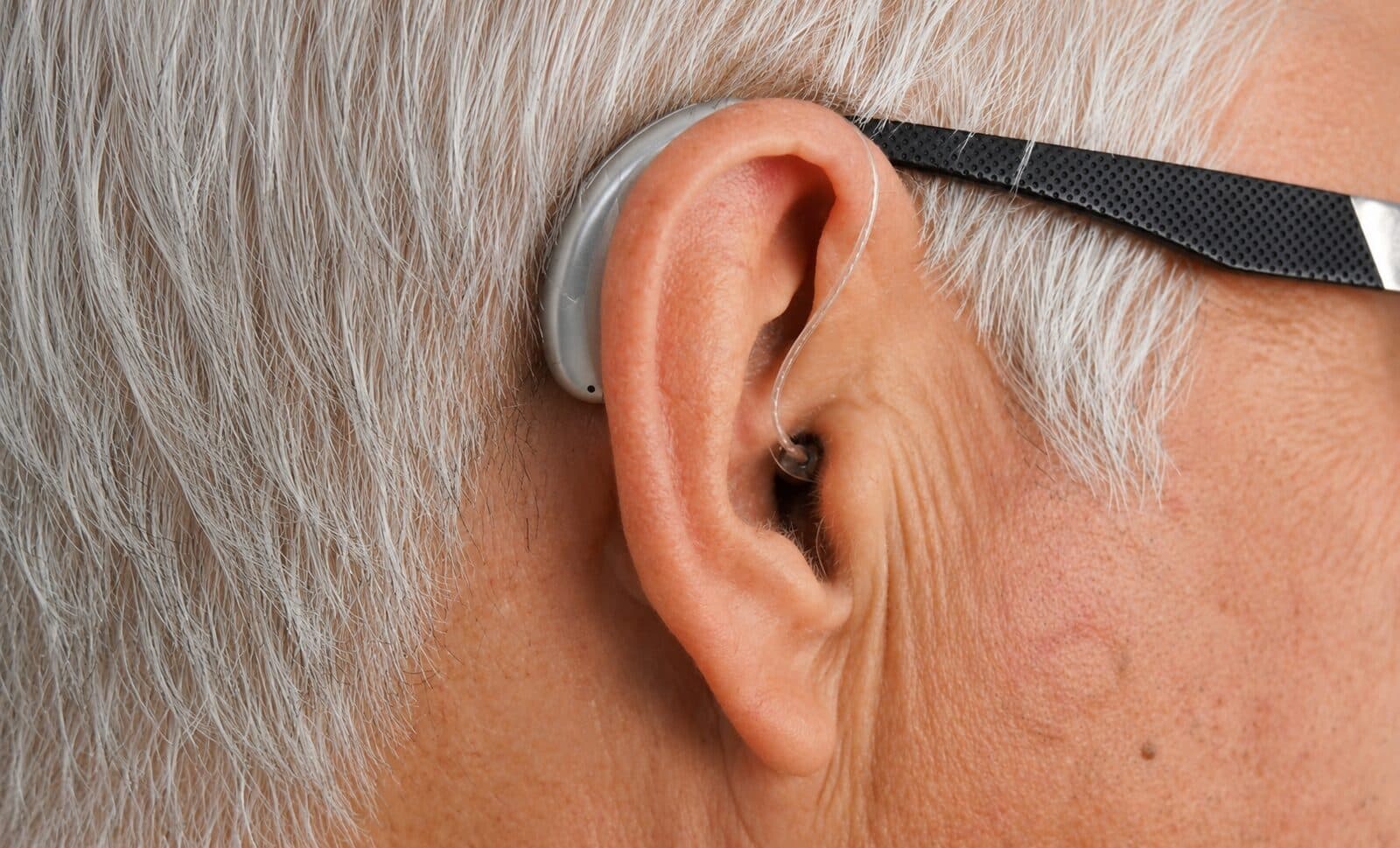
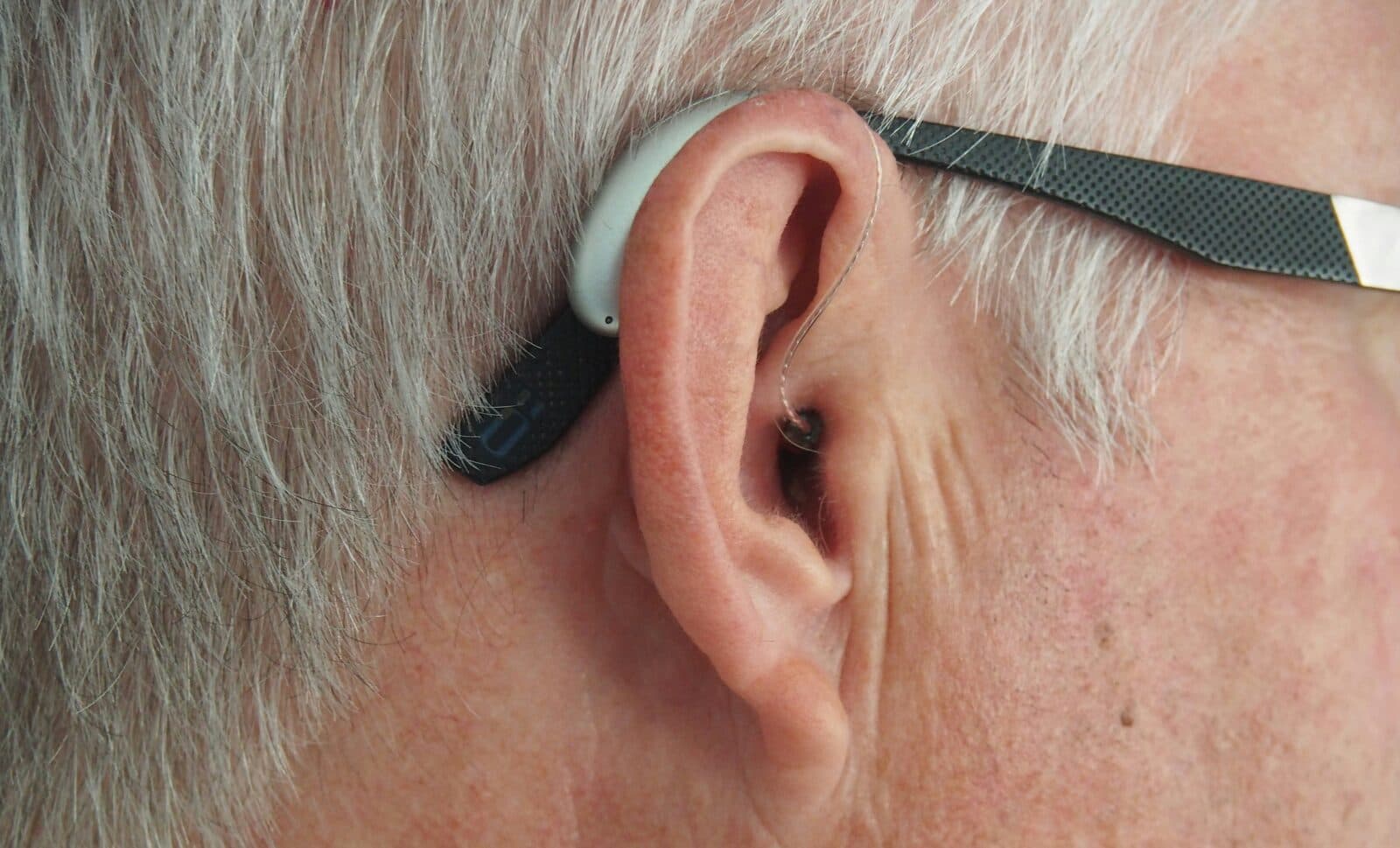
Photograph the patient's ear during the fitting consult. Makeover renders the actual device — style, size, and shell color — in place on their own head in seconds. Not a manufacturer catalog photo of a stranger's ear.
Custom-built for your industry · No commitment
Drag the slider to compare
What is a hearing aid preview preview?
A hearing aid preview tool uses AI to generate a photorealistic image of a specific hearing aid — worn in place, in the correct style and color — on a patient's own ear and hairstyle. The audiologist or hearing instrument specialist photographs the patient during the fitting consultation, and the tool renders the chosen device (receiver-in-canal, behind-the-ear, or custom in-the-ear shell) so the patient can judge visibility and fit before agreeing to a trial. Clinics use it to answer the question every first-time wearer is actually asking — "will people notice this?" — with a picture of their own head instead of a spec sheet.
Why it matters
Hearing loss is a slow-motion condition, but the resistance to treating it is immediate and emotional: most people wait years after they first notice trouble hearing before they buy anything, and the reason is rarely cost alone. It's the mental image of a visible device that makes them look, feel, or seem older. A pair of prescription hearing aids from Phonak, Oticon, ReSound, Widex, Starkey, or Signia typically runs $2,000 to $7,000; OTC options from brands like Jabra and Eargo run lower but still ask someone to commit sight-unseen to wearing something on their ear every day. Clinics offer 30-to-60-day trial periods precisely because so many first-time wearers second-guess the decision after the fact — and a meaningful share return the devices during that window, often citing self-consciousness rather than sound quality. A preview moves that judgment call before the sale instead of after it.
Who uses this
Audiologists and hearing instrument specialists (HIS) run it directly during the fitting consult, right after the hearing test, before recommending a device tier. Retail hearing aid chains and franchise dispensers — Costco Hearing Aid Centers, HearingLife, Miracle-Ear, Beltone — use it to standardize the same visual conversation across every location regardless of which dispenser is on the floor. ENT practices with an in-house audiology department use it post-diagnosis, when a patient has just been told they're a candidate and is deciding whether to act on the referral at all.
Heard this from a patient?
"I don't want people to know I'm wearing a hearing aid" — and you're describing a receiver-in-canal device with a hair-thin wire while they're still picturing their grandfather's beige behind-the-ear unit from the 1990s.
Their spouse or adult child booked the appointment and dragged them in. The patient sits with arms crossed, worried about how it'll look at the next family photo or grandkid's wedding, and no amount of reassurance from you moves them.
They ask to "think about it" after the hearing test confirms they're a candidate — and what they're actually doing is imagining themselves wearing it, with no image to replace that imagination with.
How hearing aid preview previews work
Three steps. Under 10 seconds. No design skills needed.
Capture the ear during the fitting consult
A quick photo on any phone or tablet, taken right after the audiogram — a side profile for a single ear, or a front or three-quarter angle to capture both ears for a bilateral fitting. No special lighting or imaging equipment needed.
AI renders the actual device in place
The model shows the specific style and shell color you're recommending — RIC, BTE, or custom ITE — fitted to the patient's own ear, skin tone, and hairstyle, including whether hair naturally covers it.
Present it before the trial period starts
The patient sees themselves wearing the device before signing anything. The vanity objection gets resolved in the consult room, not during the 30-to-60-day trial they're already dreading.
Common questions about hearing aid preview
Straight answers. No jargon.
Let's build the version made for your business
Every preview on this site is a variation of the same engine, tuned to one industry. Tell us about yours, and we'll show you exactly what we'd build for it.
We reply within one business day