Show clients their piece restored before they sign the drop-off ticket
Photograph the chair, dresser, or cabinet as it sits in your shop. Makeover generates a photorealistic preview in the client's chosen fabric, stain, or finish in under 10 seconds — their actual piece, not a two-inch swatch or a stock photo of a different project.
Custom-built for your industry · No commitment
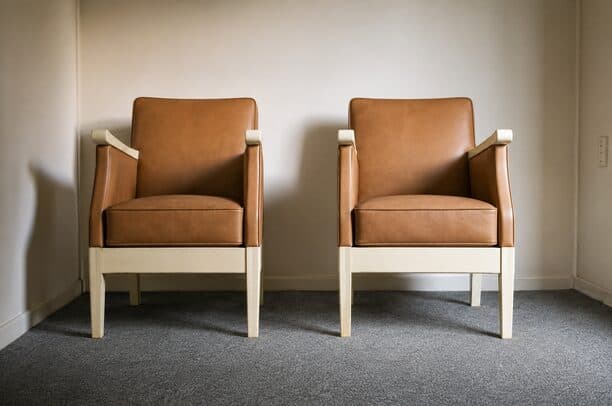
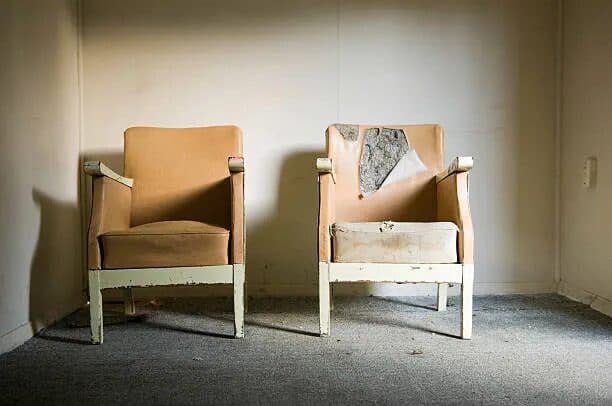
Drag the slider to compare
What is a furniture restoration preview?
A furniture restoration preview tool uses AI to generate a photorealistic image of a chair, dresser, cabinet, or case piece finished in a customer's chosen stain, fabric, or hardware. The shop photographs the piece as it arrives at intake, and the tool produces a before-and-after showing the actual item restored — not a manufacturer swatch or a photo of someone else's project. Upholsterers, refinishers, and cabinet shops use this during the estimate to secure a deposit before starting labor-intensive, largely irreversible work.
Why it matters
Restoration work is quoted, deposited, and largely irreversible — once a chair frame is stripped or a dresser is sanded to bare wood, there's no undoing it. A wingback reupholster runs $600–$1,200, a full sofa $1,500–$4,000+, dresser or case-piece refinishing $400–$1,200, and cabinet refacing $150–$300 per door or $3,000–$9,000 for a full kitchen. At those price points, most customers collect two or three quotes and shelve the decision for weeks because a paint chip and a fabric swatch don't tell them what a 6-foot sofa or a carved dresser front will actually look like at full scale, in their own light. A preview on the actual piece turns that stall into a signed estimate and a deposit at intake.
Who uses this
Shop owners and estimators run it at intake to close the deposit before a piece goes to the back room. Upholsterers use it to walk a client through fabric, pattern, and trim options — nailhead, welting, tufting — before cutting a single yard. Refinishers use it to settle stain and sheen decisions (walnut versus espresso, satin versus French polish) before stripping begins. Antique dealers and heirloom restorers use it to reassure sentimental clients that character and patina will survive the work. Cabinet shops use it to show refacing versus full replacement side by side during kitchen consultations.
Heard this from a client?
A client stares at a 2-inch velvet swatch and says "I can't picture what this looks like on the whole wingback" — then walks out to think about it.
They're choosing between walnut, cherry, and espresso stain for grandma's dresser and freeze up, worried about committing to a color on a piece that can't be un-stained.
They love the piece for its age and worry restoration will strip the character out of it — "will it still look like Mom's dresser, or will it look like something from a showroom floor?"
How furniture restoration previews work
Three steps. Under 10 seconds. No design skills needed.
Photograph the piece at intake
One photo of the chair, dresser, or cabinet as it arrives — in your shop or during an in-home estimate. Any lighting, any angle.
AI generates the finish preview
The model applies the chosen fabric, stain, paint, or hardware to the piece's actual frame, grain, and carved detail — preserving joinery, patina, and proportions rather than swapping in a generic template.
Present it at the counter
Their own chair or dresser, restored, before you write the estimate. Deposits get signed on the spot instead of "I'll call you back."
Common questions about furniture restoration
Straight answers. No jargon.
Let's build the version made for your business
Every preview on this site is a variation of the same engine, tuned to one industry. Tell us about yours, and we'll show you exactly what we'd build for it.
We reply within one business day