Show the owner their restoration result before a single panel comes off
Photograph the vehicle on the shop floor. Makeover generates a photorealistic preview of the finished color, wheel package, or interior retrim in seconds — on their actual car, not a parts-catalog photo of a different year and body style.
Custom-built for your industry · No commitment
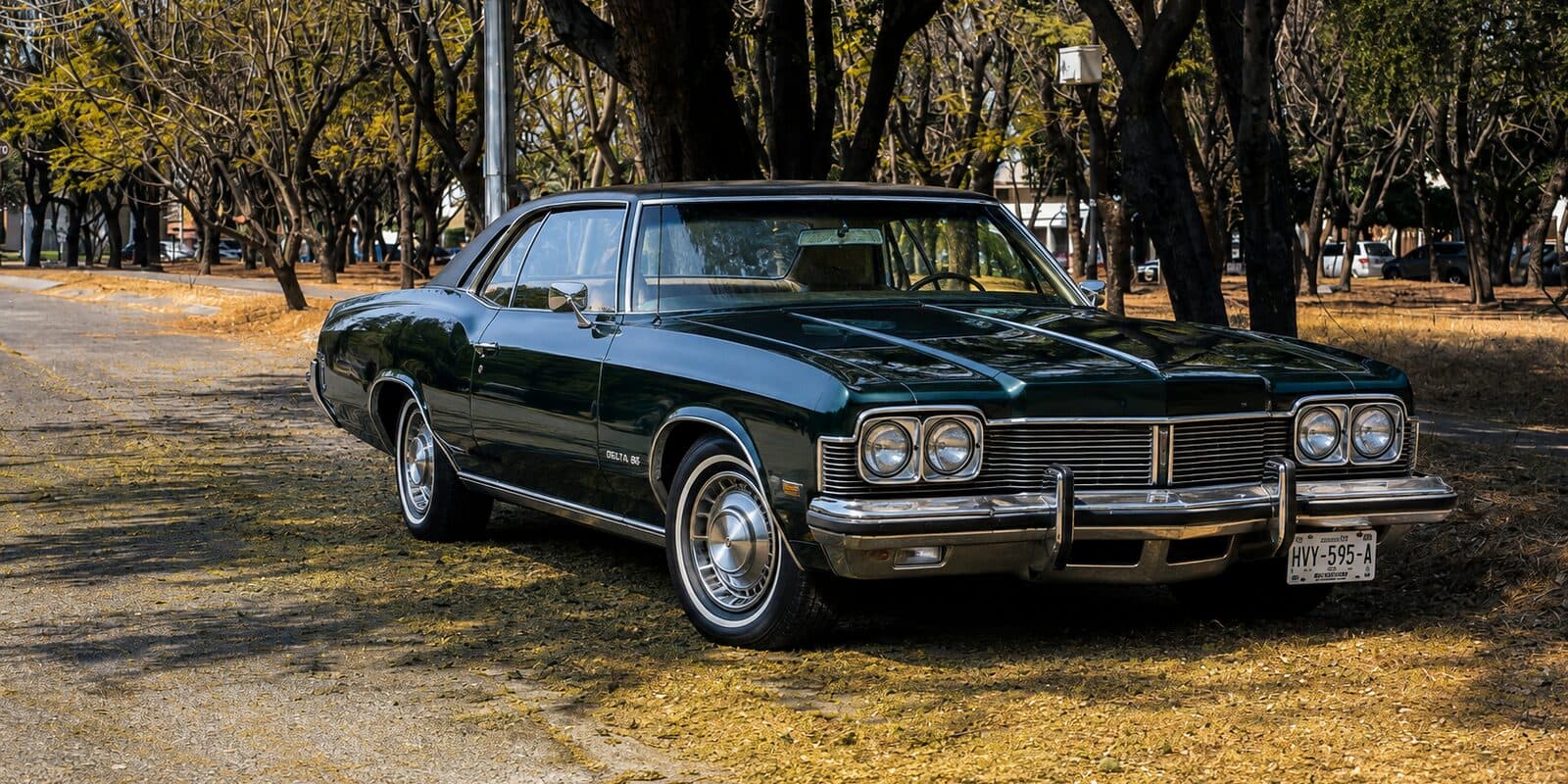
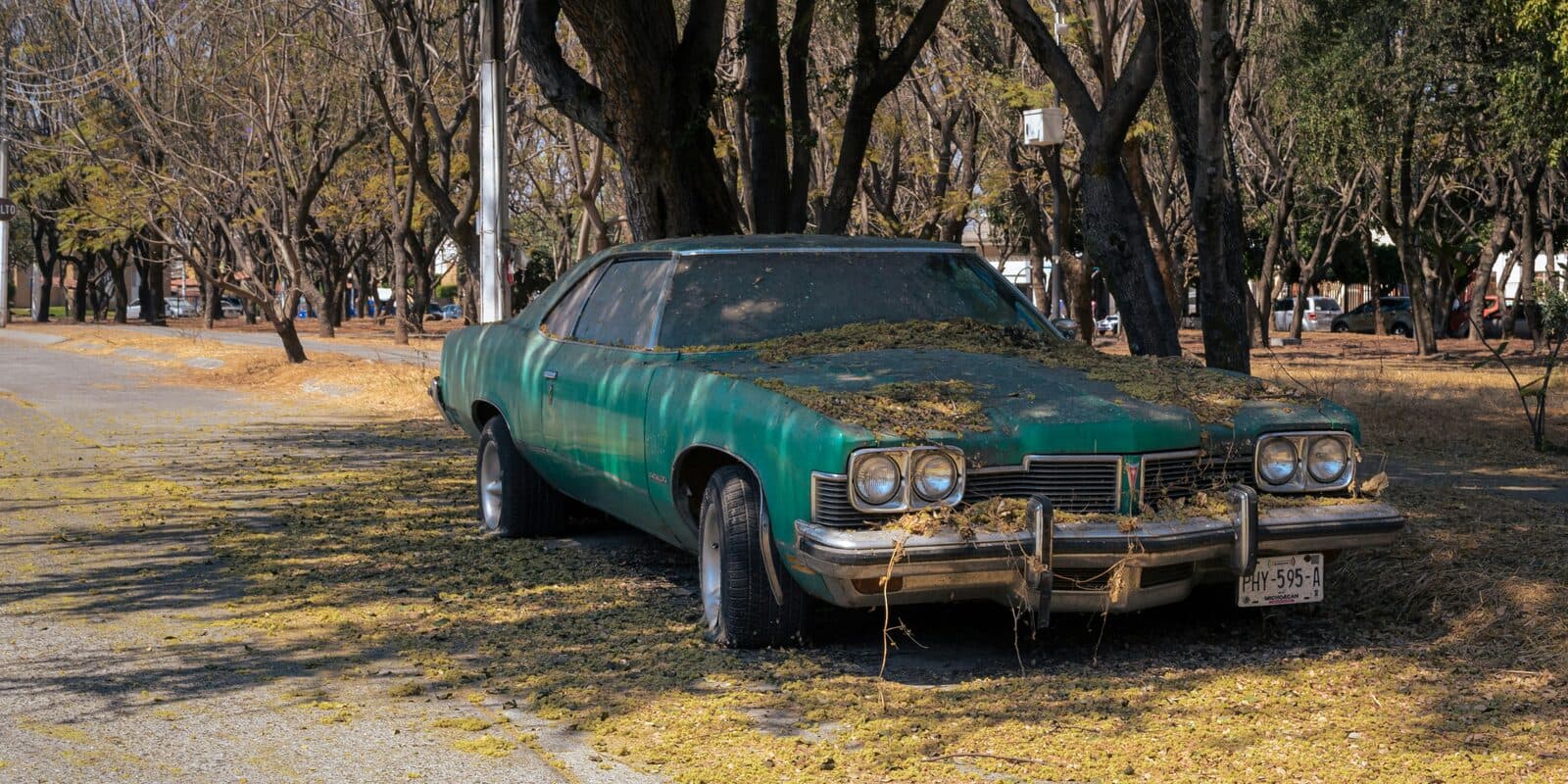
Drag the slider to compare
What is a classic car restoration preview?
A classic car restoration preview tool uses AI to generate a photorealistic image of a vehicle's finished restoration — new paint color, wheel and tire package, or interior retrim — applied directly to a photo of the customer's own car. The shop photographs the vehicle as it sits on the lift or in the bay, and the tool renders the proposed color, wheelset, or upholstery scheme onto that specific body's panel gaps, trim, and stance. Restoration shops, body and paint departments, and interior trim specialists use it at intake and during build-sheet approval to lock in irreversible decisions before parts are ordered or metal is cut.
Why it matters
A ground-up restoration runs anywhere from roughly $40,000 for a driver-quality repaint and mechanical refresh to well over $200,000 for a numbers-matching, show-quality build, and the color, wheel, and interior decisions get locked in months before the car is finished — based on a paint chip and a parts-catalog photo. Get the color wrong and you're repainting a fully assembled car; get the interior hide wrong and there's an $8,000–$15,000 leather order sitting on a shelf that has to be recut. The preview turns a decision the owner is making from memory and a fan deck into one they're making while looking at their own fenders, doors, and cowl.
Who uses this
Restoration shop owners and estimators use it at intake to lock in the build sheet before teardown starts. Body and paint departments use it to settle factory-correct-versus-custom-color decisions before mixing a drop of paint. Interior trim shops use it to get hide, pattern, and stitch-color approval before cutting leather. Wheel and tire specialty shops partnering with restoration shops use it to sell a fitment upgrade the owner can see on their own fenders instead of a stock photo of a different chassis.
Heard this from a car owner?
They can't choose between the factory-correct color code and a custom shade off a paint chip, so the repaint slot gets pushed back a month while they "sleep on it."
They approve a wheel package from a catalog photo of a different make, then ask for a refit once the offset and lip look wrong sitting under their own fenders.
They stall on the interior hide order — tan versus saddle versus black leather — because a two-inch swatch square doesn't tell them how it reads against their dash and door panels.
How classic car restoration previews work
Three steps. Under 10 seconds. No design skills needed.
Photograph the car on the shop floor
Any angle, current condition — bare metal, primer, patina, or the original factory paint. No studio lighting or turntable required.
AI renders the proposed finish
The model applies the chosen paint color, wheel and tire package, or interior trim to the car's actual body lines, panel gaps, chrome, and stance.
Present the build sheet for sign-off
Walk the owner through their own car, finished. The color and parts order gets approved once, not revised twice mid-build.
Common questions about classic car restoration
Straight answers. No jargon.
Let's build the version made for your business
Every preview on this site is a variation of the same engine, tuned to one industry. Tell us about yours, and we'll show you exactly what we'd build for it.
We reply within one business day