Show patients their post-peel skin before the first application
Capture a baseline photo under consistent lighting. AI generates a photorealistic preview of tone, texture, and pigmentation improvement matched to the specific peel you're recommending — not a generic dermatology stock photo of someone else's melasma.
Custom-built for your industry · No commitment
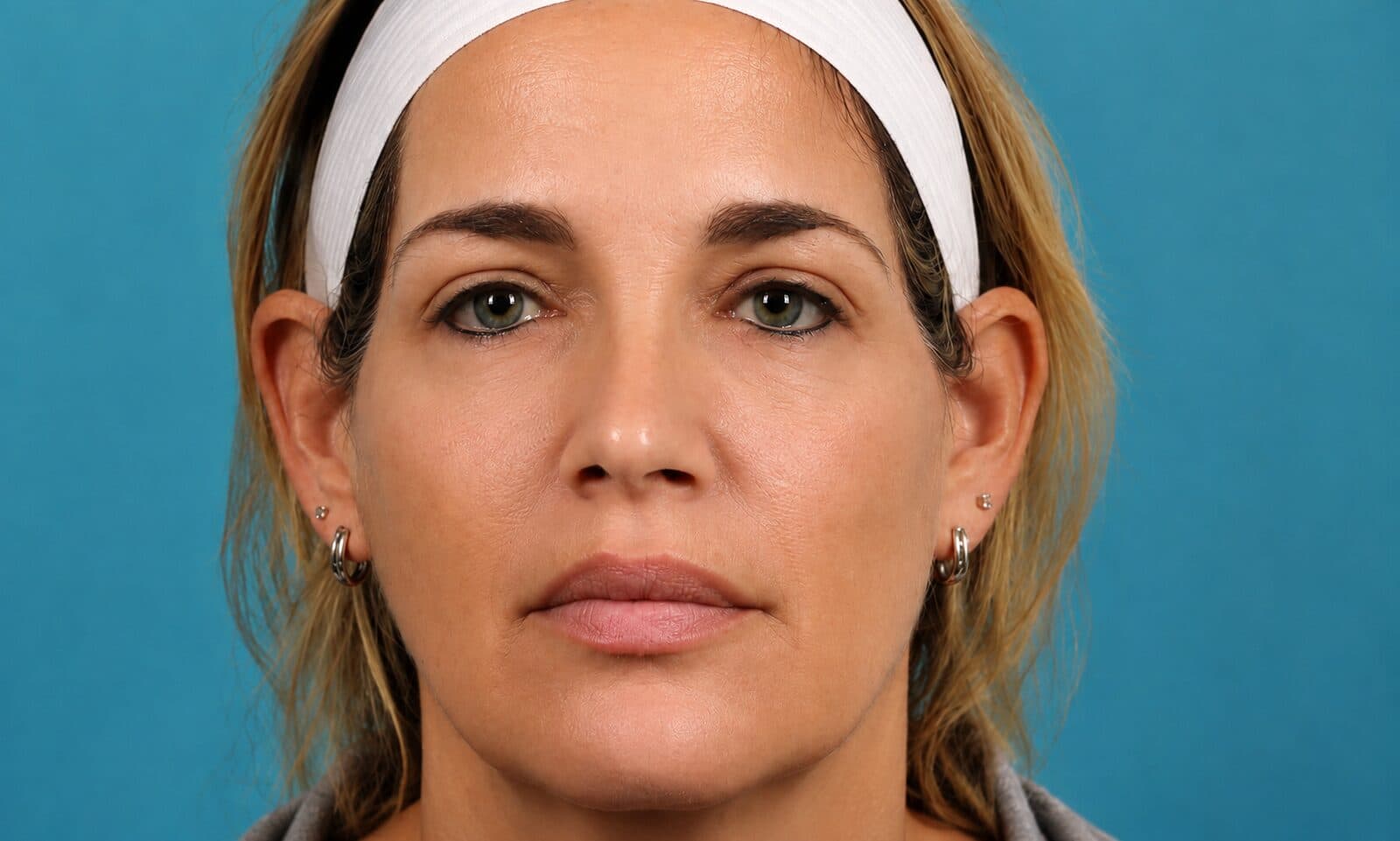
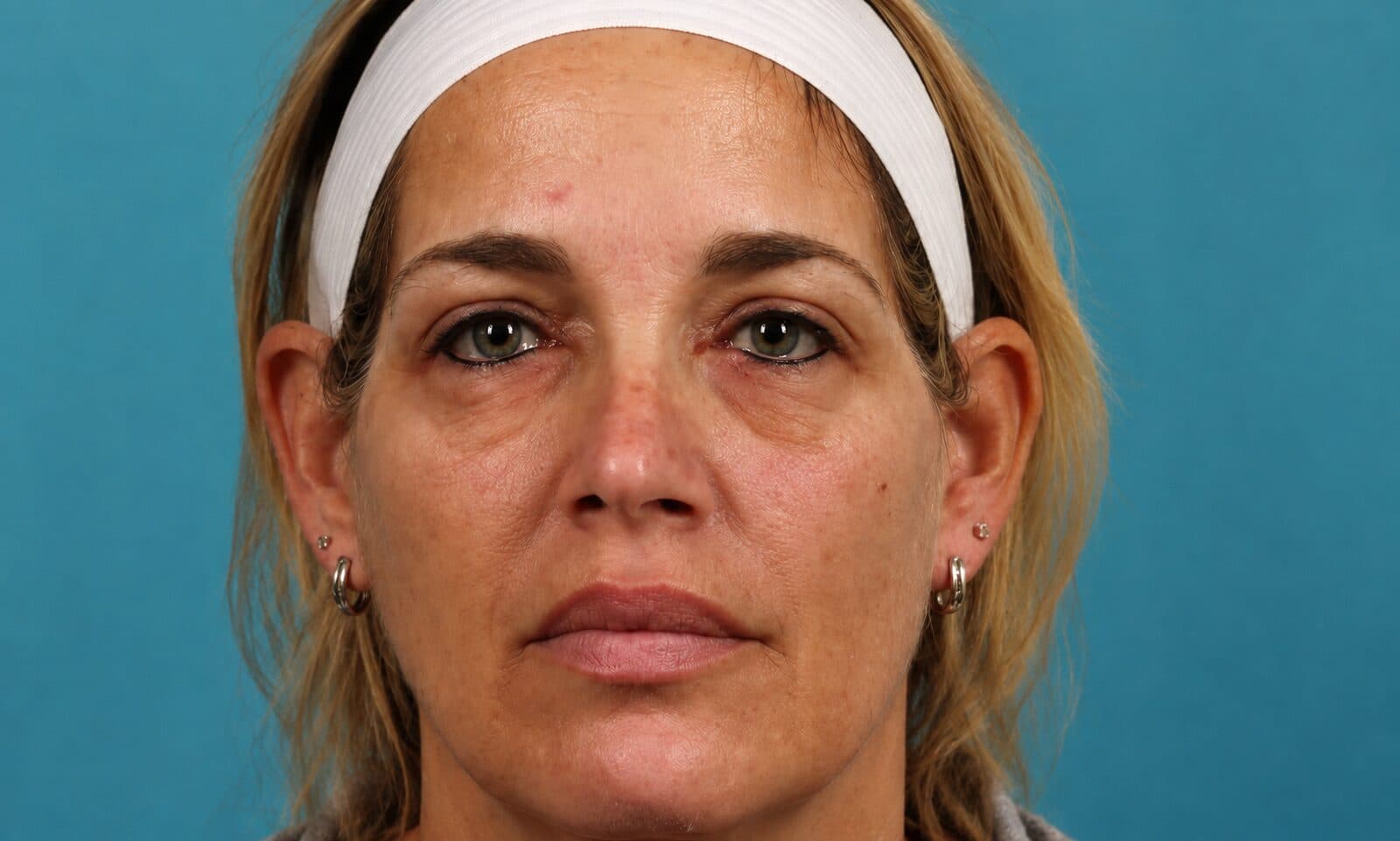
Drag the slider to compare
What is a chemical peel preview preview?
A chemical peel preview tool uses AI to generate a photorealistic image of what a patient's skin will look like after a chemical peel, once the peeling and flaking phase has healed. The esthetician, nurse injector, or dermatologist captures a baseline photo, and the tool renders the tone, texture, and pigmentation result calibrated to the specific peel depth and agent being recommended. Med spas and dermatology practices use this during the intake consult so the patient can see the outcome, not the downtime, before they book.
Why it matters
Chemical peels sell on a promise that's hard to picture: smoother texture, fewer visible pores, lighter melasma or sun spots, an even tone. Patients considering a peel series (three to six sessions at $150–$400 per session for superficial peels, more for medium-depth TCA work) are also the patients most anxious about downtime — flaking, redness, and frosting that can last anywhere from two days to two weeks depending on peel depth. That anxiety, not price, is usually what stalls the booking. A preview that shows the realistic skin outcome — not the mid-peel frosted or flaking phase — gives the esthetician or provider something concrete to point to while they explain the downtime timeline, so the patient books with eyes open instead of walking out to "research it more."
Who uses this
Licensed estheticians and med spa owners performing superficial glycolic, salicylic, and lactic acid peels. Nurse injectors and PAs administering Jessner and TCA peels under a supervising physician. Dermatologists offering medium-depth peels for melasma, actinic damage, and post-inflammatory hyperpigmentation. Med spa front-desk staff running the preview during the intake consult, before the provider ever assesses the skin in the treatment room.
Heard this from a patient?
Patients ask what their skin will actually look like after the peeling phase resolves, and the only thing you have to show them is a stock photo of a stranger's melasma clearing.
They're worried about how long they'll be visibly peeling — a wedding, a work trip, a photo shoot — and cancel the booking rather than risk being caught mid-flake.
They've had a bad peel or a friend's PIH story and assume any peel will leave dark or light patches on their skin tone, so they downgrade to a facial instead.
How chemical peel preview previews work
Three steps. Under 10 seconds. No design skills needed.
Capture a baseline facial photo
Consistent, diffused lighting in the treatment room — the same setup you'd use for a Fitzpatrick or Wood's lamp assessment. No special camera required.
AI generates the post-peel result
The model reflects the tone, texture, and pigmentation outcome specific to the peel depth and agent you select — a light glycolic refresh reads differently from a TCA series targeting melasma.
Present during the consult, before the first application
Their own skin, resolved and healed. You walk through the downtime timeline knowing they've already bought into the outcome.
Common questions about chemical peel preview
Straight answers. No jargon.
Let's build the version made for your business
Every preview on this site is a variation of the same engine, tuned to one industry. Tell us about yours, and we'll show you exactly what we'd build for it.
We reply within one business day