Show customers their own car in the new color — before you mix a drop
Photograph the vehicle in the bay or on the lot. Makeover generates a photorealistic paint preview in seconds, on their actual car — not a two-inch spray-out card under fluorescent shop light. They approve the color before it goes on the wall.
Custom-built for your industry · No commitment
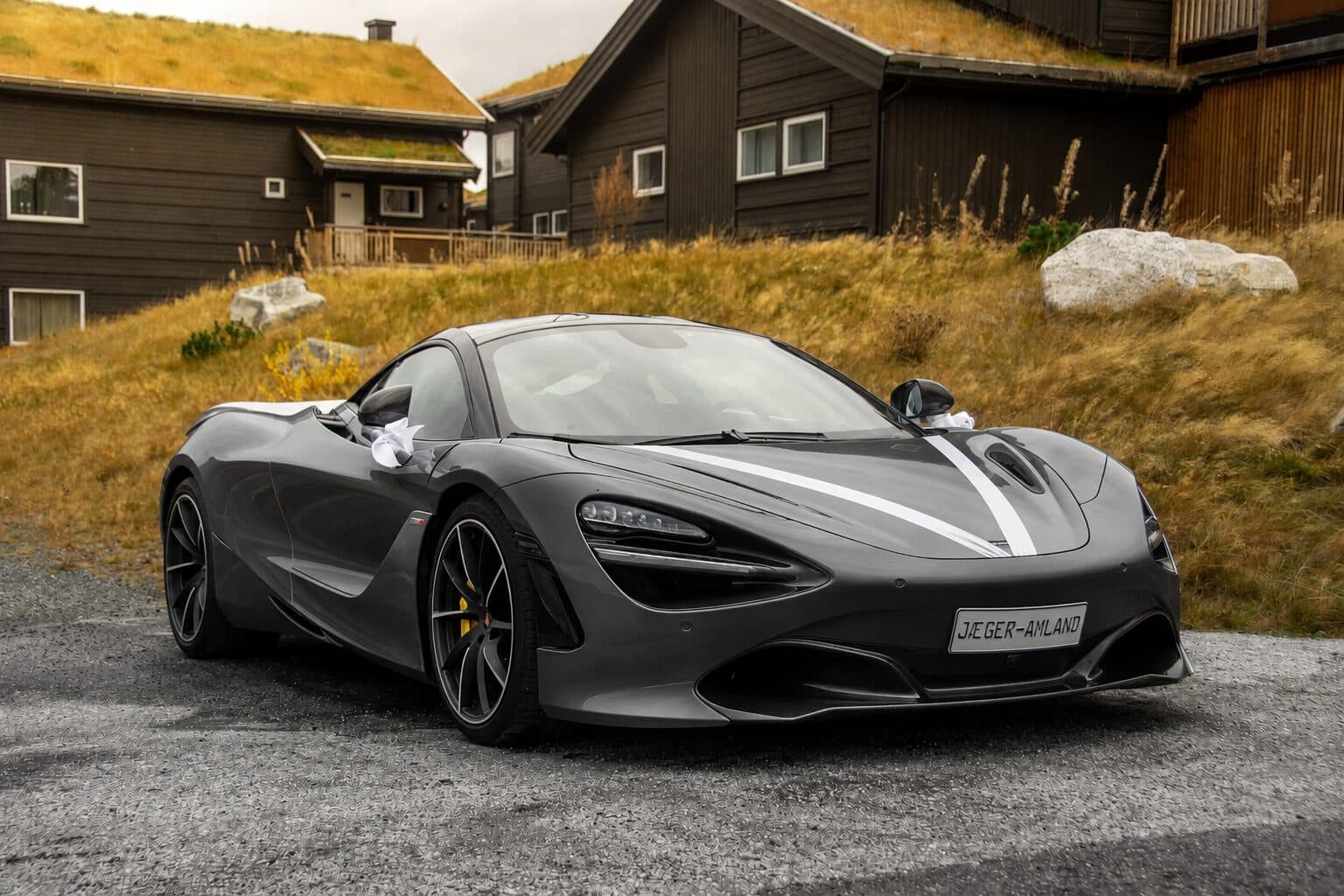
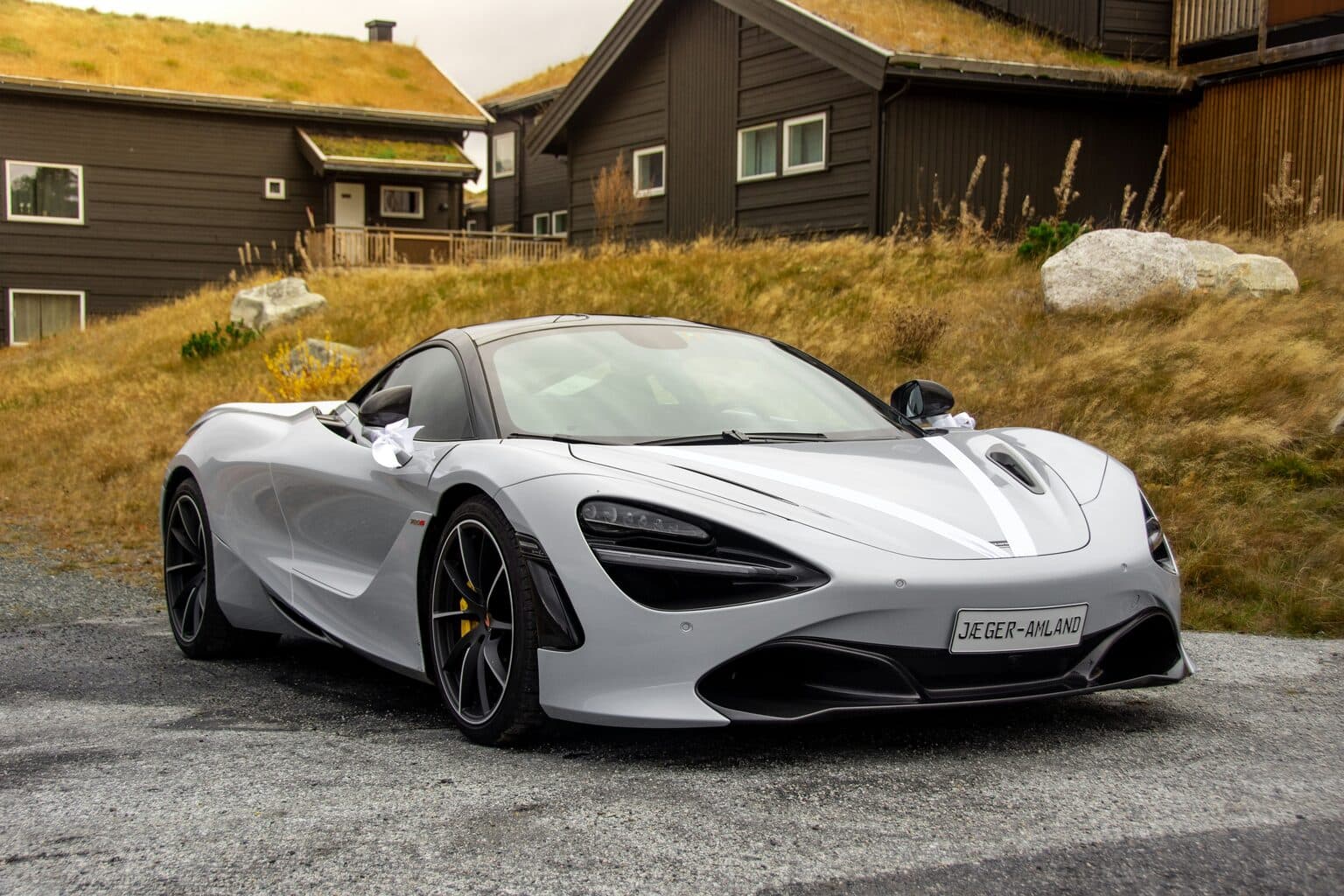
Drag the slider to compare
What is a car paint job preview?
A car paint job preview tool uses AI to generate a photorealistic image of a vehicle in a new paint color or finish before a single panel is sprayed. The shop photographs the customer's actual vehicle, and the tool renders the requested solid, metallic, pearl, or candy color across the real body panels — hood, doors, fenders, quarter panels — while preserving trim, glass, badging, and wheels. Body shops, custom paint shops, and restoration specialists use it to get color sign-off before mixing paint, cutting the color-indecision phase out of the estimate.
Why it matters
A quality two-stage basecoat/clearcoat repaint runs $3,500–$7,000; a multi-stage candy or pearl custom job runs $7,000–$20,000 and up; a numbers-matching restoration paint job can clear $15,000. At those prices, color is the one decision customers won't rush — and paint isn't reversible the way a wrap is, so getting it wrong means eating the cost of a second paint job. The industry standard tool for that decision is a spray-out card the size of an index card, which tells a customer almost nothing about how a pearl or candy shifts across a hood's compound curve versus a flat door panel. Shops that let a customer see their own vehicle in the color close the estimate that day; shops still handing out chip books watch the same customer "think about it" at two competitors first.
Who uses this
Body shop estimators use it to upsell collision customers from the insurance-approved factory-match blend to a full custom color, closing the price gap on the same visit instead of losing the upgrade to indecision. Custom paint shop owners and painters use it as the first step of every job, before a drop of reducer gets mixed. Restoration specialists use it to show classic car owners both the factory-original color code and a proposed custom hue side by side on the same body. Service writers at multi-bay shops use it to standardize the color conversation across a whole sales team, so it doesn't depend on which estimator happens to be good at describing paint.
Heard this from a customer?
They hold a two-inch spray-out card up to the fender under shop lights and still can't tell if the pearl will read the way they want in direct sun.
They've carried the same paint chip to three other shops and still haven't signed off on a color.
They want to upgrade from the insurance-approved factory-match blend to a full custom repaint during a collision job, but won't authorize the extra cost without seeing it on their own car first.
How car paint job previews work
Three steps. Under 10 seconds. No design skills needed.
Photograph the vehicle
Shoot it in the bay or on the lot in normal shop lighting. No booth, no spray-out card, no manufacturer chip required.
AI renders the new color
The model applies the requested solid, metallic, pearl, or candy finish across the real body panels — hood, fenders, doors, quarter panels — while preserving trim, glass, badging, and wheels.
Get sign-off before you mix
The customer sees their own vehicle in the new color on your tablet or estimate screen and approves it before paint goes on the wall.
Common questions about car paint job
Straight answers. No jargon.
Let's build the version made for your business
Every preview on this site is a variation of the same engine, tuned to one industry. Tell us about yours, and we'll show you exactly what we'd build for it.
We reply within one business day